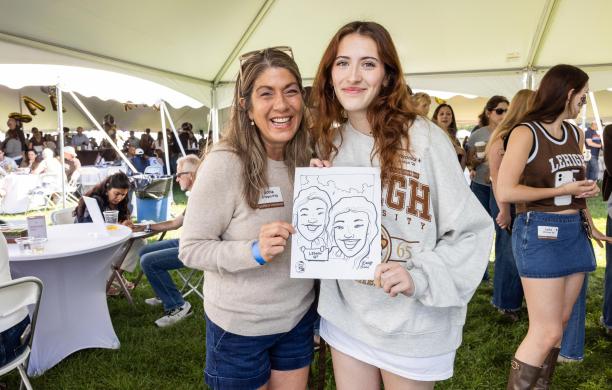

For 150 years, the Epitome has captured Lehigh’s story — from brainstorming sessions and late-night layout edits to the final printed page. More than a yearbook, it’s a tangible time capsule: a record of the thousands of students who have shaped the campus and its culture. Flipping through its pages, it’s impossible not to feel the weight of the past and the promise of the future.
Carl Schier ’59, editor-in-chief of the 1958 yearbook, understands that sense of responsibility. A government major who became a lawyer, he got involved with the Epitome to be engaged with as many things on campus as he could.
That year, the editorial board held a competition for theme submissions. Schier’s concept centered on campus buildings and design, focusing on the physical structures that hold memory and history within their walls.
“It’s gratifying to have played a part in this legacy,” he says. “To know that the work that my staff and I put into the Epitome helped carry on that tradition.”
His experience reflects a long-standing truth about the yearbook. Epitome leadership has never been limited to one major or one type of student.
For many editors, shaping the book’s theme and composition becomes one of the most defining creative experiences of their time at Lehigh.
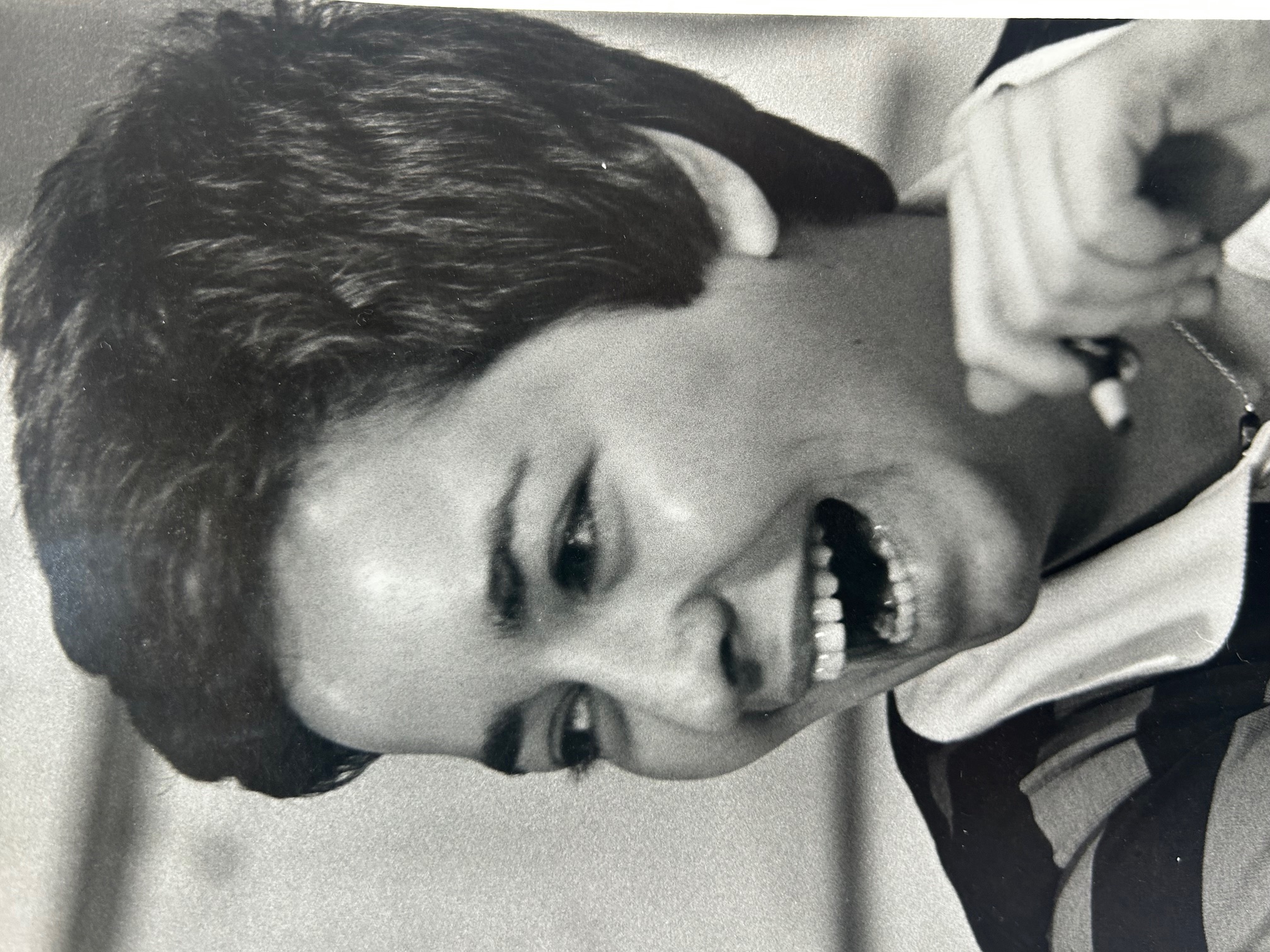
Louise Tutelian ’75 knows that firsthand. As the Epitome’s first female editor-in-chief and a member of the first cohort of admitted women, she understood the historic weight of her role. She was determined that her yearbook would reflect the growing presence and impact of women on campus.
“I had two goals for the yearbooks I worked on,” she says. “One was to show the progress women had made in the few short years they’d been here. But I also wanted to be honest about how difficult the journey had been.”
The 123 women in the Class of 1975 walked onto a campus of 3,200 men — a ratio of 25 to one. It’s fair to say that neither gender was quite ready for it.
“It wasn’t unusual to be pointed at and hear, 'Look, there goes one,’” Tutelian recalls.
The women adjusted by jumping into campus life. Tutelian made sure to reflect that change in the pages and cover of the Epitome — women are shown participating in more than a dozen campus activities and competing on five intercollegiate sports teams. At a time when yearbook covers were typically brown, she chose bright green for the year she served as editor-in-chief. The color signaled that women were here, and they weren’t going anywhere.
Decades later, women continue to shape the publication in powerful ways.
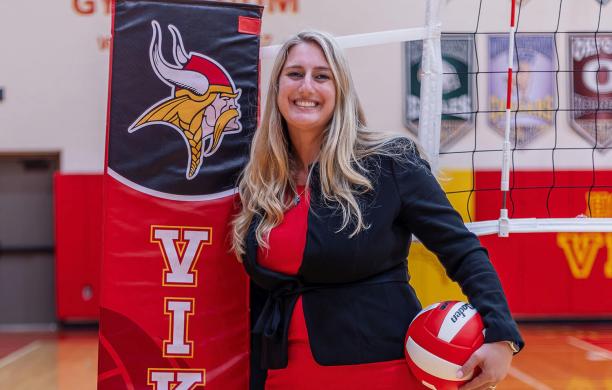
Ryan Saks ’22, who served as editor-in-chief from her freshman through senior year, led the book during one of the most disruptive periods in modern campus history: the pandemic.
With traditional events largely on pause, Saks and her team had to rethink what a yearbook could capture, portraying both the clear separation and the vibrancy of community despite unprecedented circumstances.
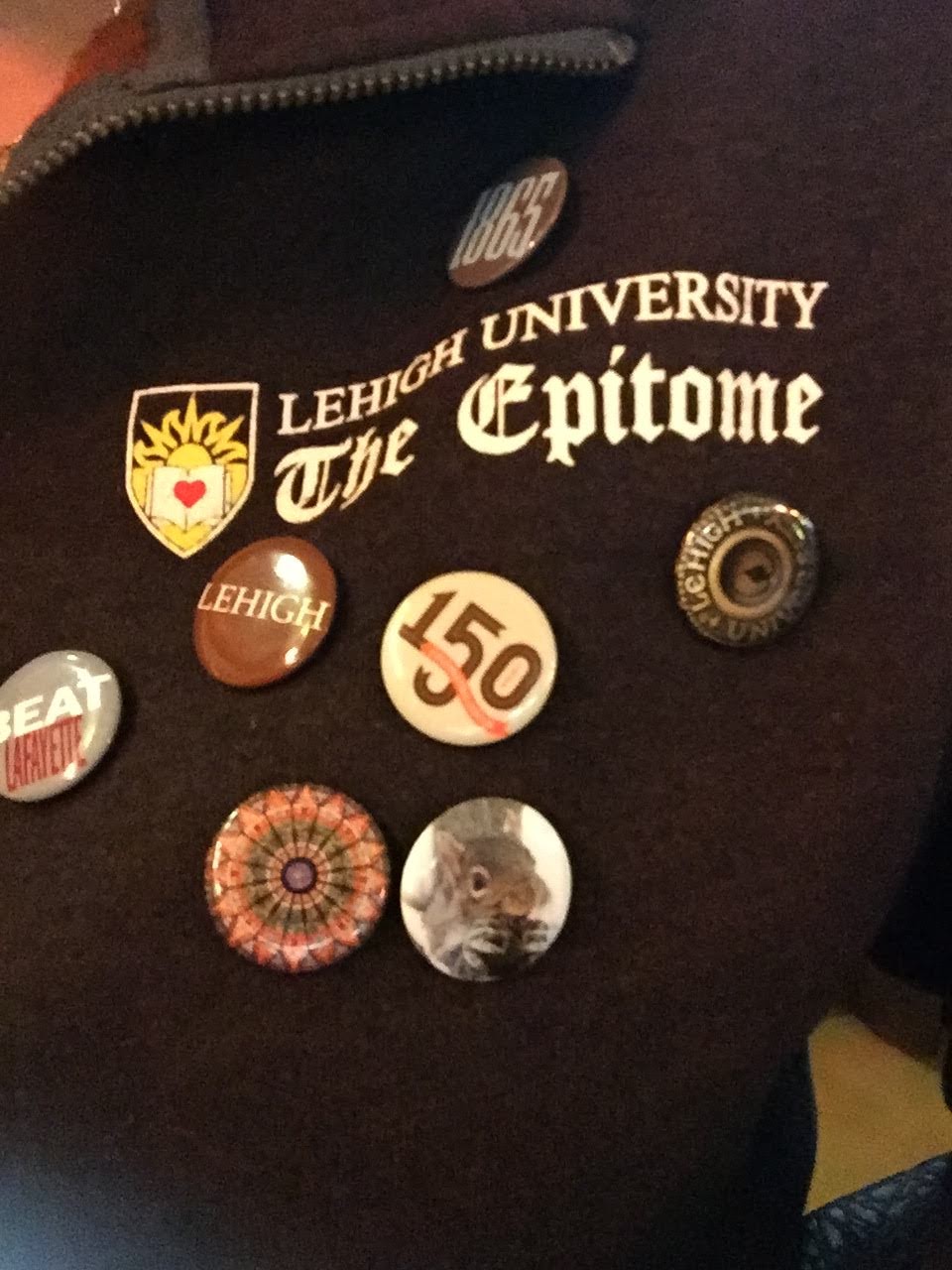
“There weren’t many events happening on campus, so we had to think outside the box,” Saks says. “We created a spread of people wearing masks that we called ‘The Masquerade.’ We even listed the two feet of snow that fell that year as an event, adding photos of people skiing down Zoellner.”
The cover featured a long-exposure photograph of students walking side by side, their blurred forms creating a ghostlike effect. The image captured both the longing for connection and the fleeting feeling of sharing space without fully occupying it.
When Saks rereads the editor’s letters she wrote for each volume, she sees her own evolution on the page. Her confidence, creativity, and leadership sharpened year after year, shaped in large part by the responsibility and opportunity the Epitome provided.
Katherine Fletcher ’16’s time as the editor-in-chief coincided with the 150th anniversary of Lehigh’s founding, making her leadership year particularly meaningful. Now, as the Epitome reaches its own 150-year milestone, the moment feels full circle.
She recalls the long nights, hearty laughs, and friendships that defined her time on the yearbook. One particular detail that stands out was the unusually large bowl of fortune cookies kept in the office.
“We ate them like chips,” she laughs. “We’d keep grabbing more of them while we worked.”
Years later, Fletcher attended a wedding where the couple used the 2016 yearbook — the edition she led — as their guestbook. She flipped through every page, signing wherever her name appeared. What had once documented a single academic year had become a shared keepsake layered with memory.
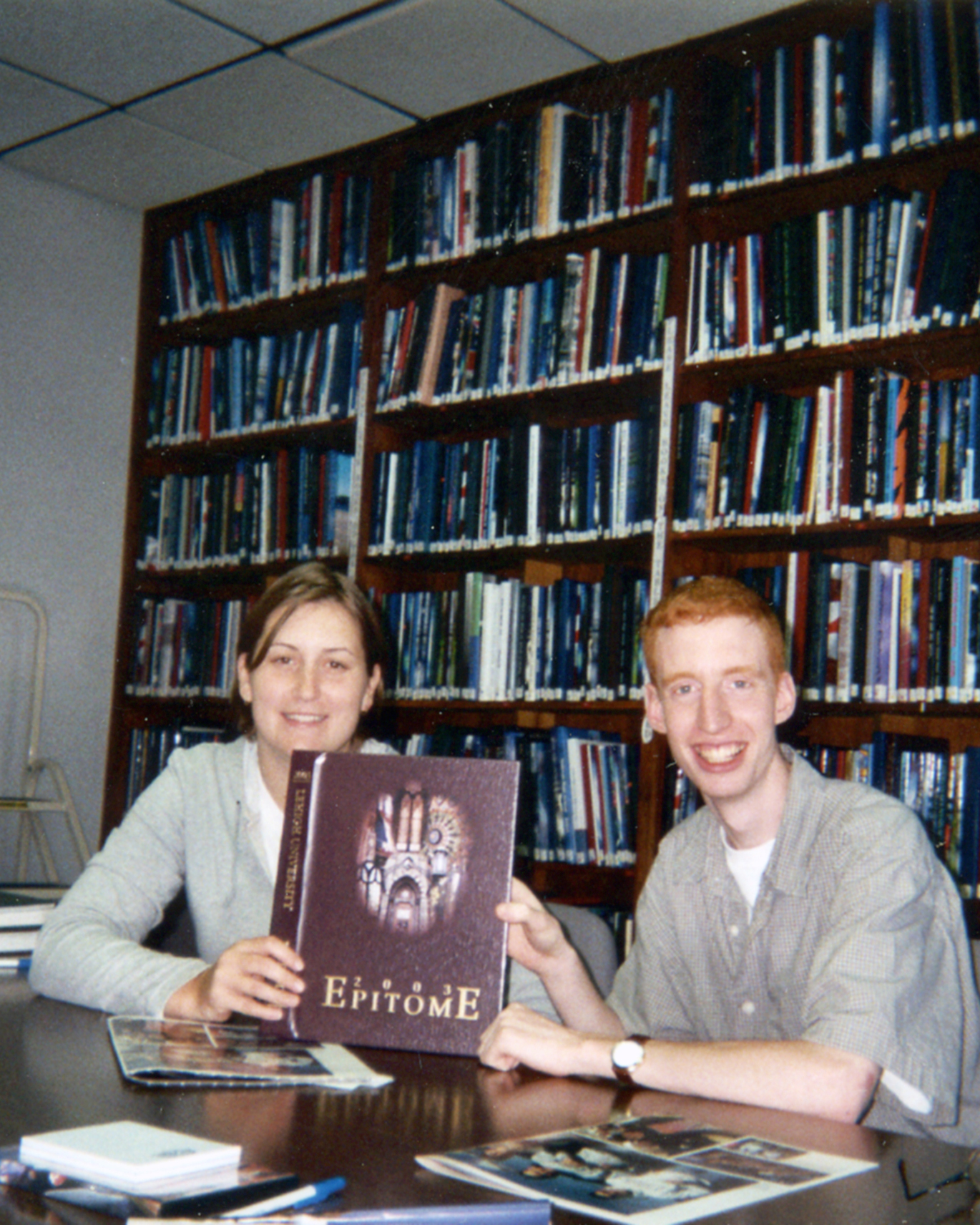
For John Misinco ’05, the Epitome wasn’t just a college activity. It was part of a lifetime on campus.
His mother, Marge Misinco, worked in Lehigh’s library for more than 50 years, and John grew up wandering the same walkways and buildings that would later fill the pages of the yearbook he helped produce. When longtime advisor Linda Lipko recruited him to join the staff, it felt less like a new beginning and more like a continuation.
“I am very humbled and honored to be part of carrying on the Epitome's legacy,” he says. “Fifty years from now, what happens when all your photos live on social media platforms that no longer exist? That Epitome exists for an eternity. Nothing can replace what it provides in telling the story of your time at Lehigh and the story of the school itself.”
He adds, “If you want to understand the history of Lehigh, what better place to look than the yearbook? It’s all there, from the very beginning.”
“It’s an honor to lead the 150th edition of the Epitome,” says Kristen Gallagher ’27, co-editor-in-chief of this year’s publication. “There is an incredible weight to the idea that 150 years from now, a student will flip through these pages and feel the same Mountain Hawk pride that defines my life today. This book is more than a project; it is a tangible mark on a legacy that started long before me and will continue to tell Lehigh's story long after my time.”
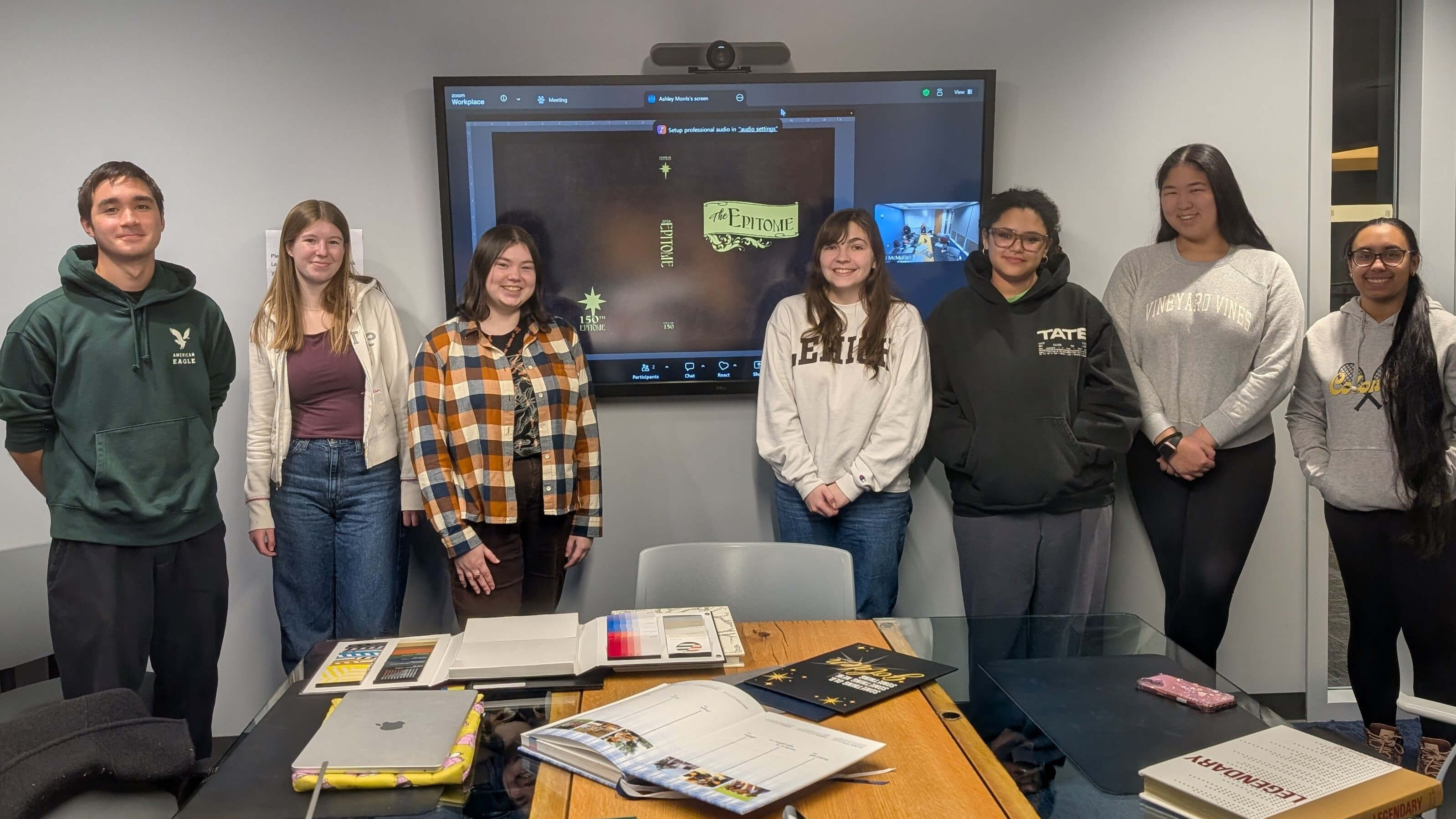
Fellow co-editor-in-chief Julia DeAngelis ’26 adds, “The Epitome staff wrote a letter into a copy of the 2025 yearbook for the Clayton UC time capsule. Fifty years from now, future Lehigh students will be in our shoes, paging through an old yearbook to get a glimpse of how life at Lehigh used to look. The Epitome is a remarkable, unbroken line of students' hard work and creativity over the years, and making the 150th edition has given me a perspective of what an exciting honor it is to create a piece of our school's history.”
That endurance is what has sustained the Epitome for a century and a half. Through shifting campus culture, historic milestones, and global disruption, the yearbook has remained a constant.
For 150 years, it has done more than document Lehigh’s story. It has invited each generation to help write it.

In This Image: 2021 yearbook

In This Image: 2005 yearbook

In This Image: 1975 yearbook

In This Image: 2016 yearbook

In This Image: 1958 yearbook

In This Image: 1907 yearbook

In This Image: 1995 yearbook

In This Image: 2008 yearbook

In This Image: 2019 yearbook

In This Image: 1886 yearbook

In This Image: 2007 yearbook