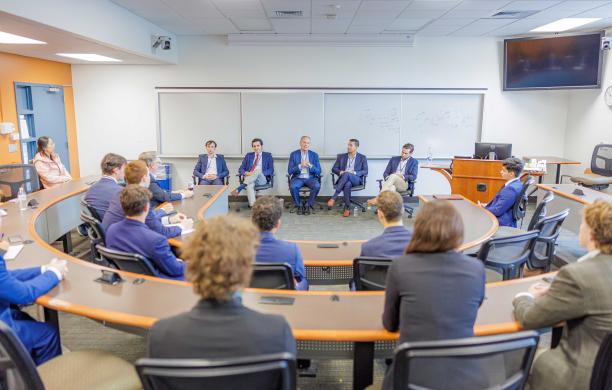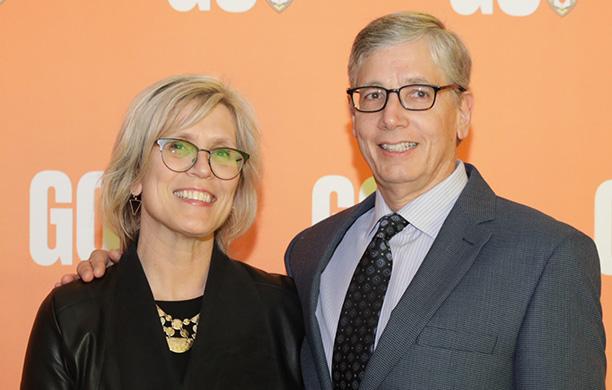

The future is bright for the P.C. Rossin College of Engineering and Applied Science. With the launch of several engineering-led University Research Centers and the Freed Family Robotics Design Studio, as well as the February announcement of Lehigh’s designation as an R1 research institution, there are a multitude of new pathways for Lehigh Engineering students to learn, explore, and make their mark beyond Lehigh.
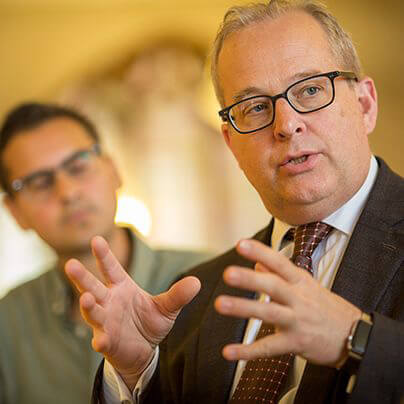
Lehigh Engineering is experiencing a moment of remarkable momentum — driven by visionary leadership, groundbreaking research, and an alumni community deeply invested in the college’s future. Two of the college’s most recent milestone gifts illustrate that trajectory.
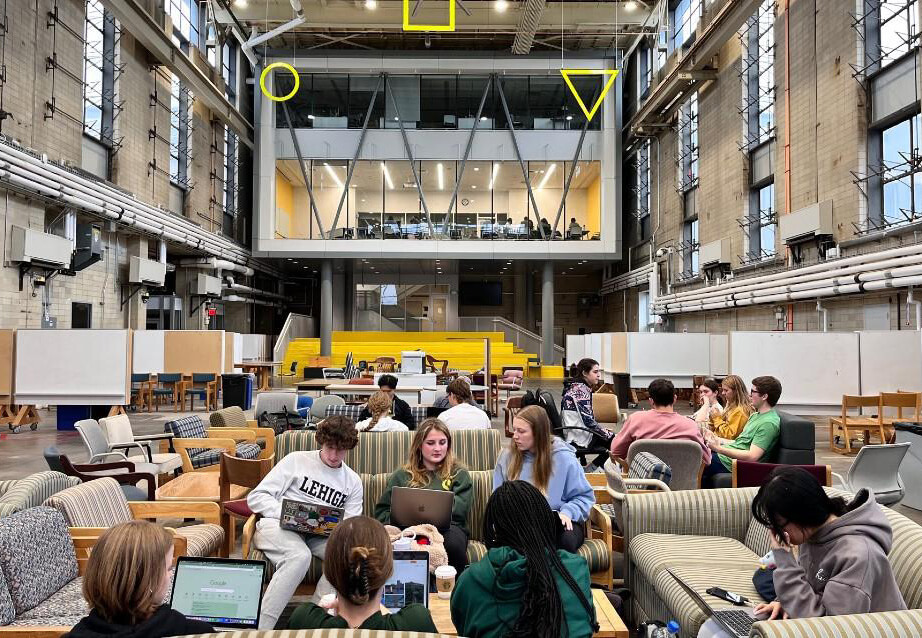
First, the installation of Steve DeWeerth as the inaugural Lew and Sherry Hay Dean of Engineering, made possible by a $7.5 million philanthropic commitment from Lewis (Lew) Hay III ’77 P’08 P’11 and Sherry A. Hay ’78 P’08 P’11, signals strong confidence in the college’s direction and leadership. Second, David Jackson ’67, Patricia Jackson, and the Suzanne and David Jackson Foundation made a $10 million gift to establish the Jackson Laboratory in the historic Packard Lab. The space will become the home of Lehigh’s First-Year Rossin Engineering (FYRE) program, creating an immersive environment where students begin hands-on research from the earliest days of their engineering education.
Together, these milestones reflect both Lehigh Engineering’s strategic academic development and the enduring commitment of a generous and engaged alumni community.
Here are five more things to know about Lehigh Engineering right now.
Real-world application is a focus from day one. The First Year Rossin Engineering (FYRE) program is a game changer, a total redesign of how Lehigh Engineering welcomes new students into the fold. The FYRE faculty committee continues to advance a vision in which incoming students learn fundamental principles of chemistry, physics, calculus, engineering, and computing while simultaneously understanding how these disciplines connect and apply to real-world engineering challenges.
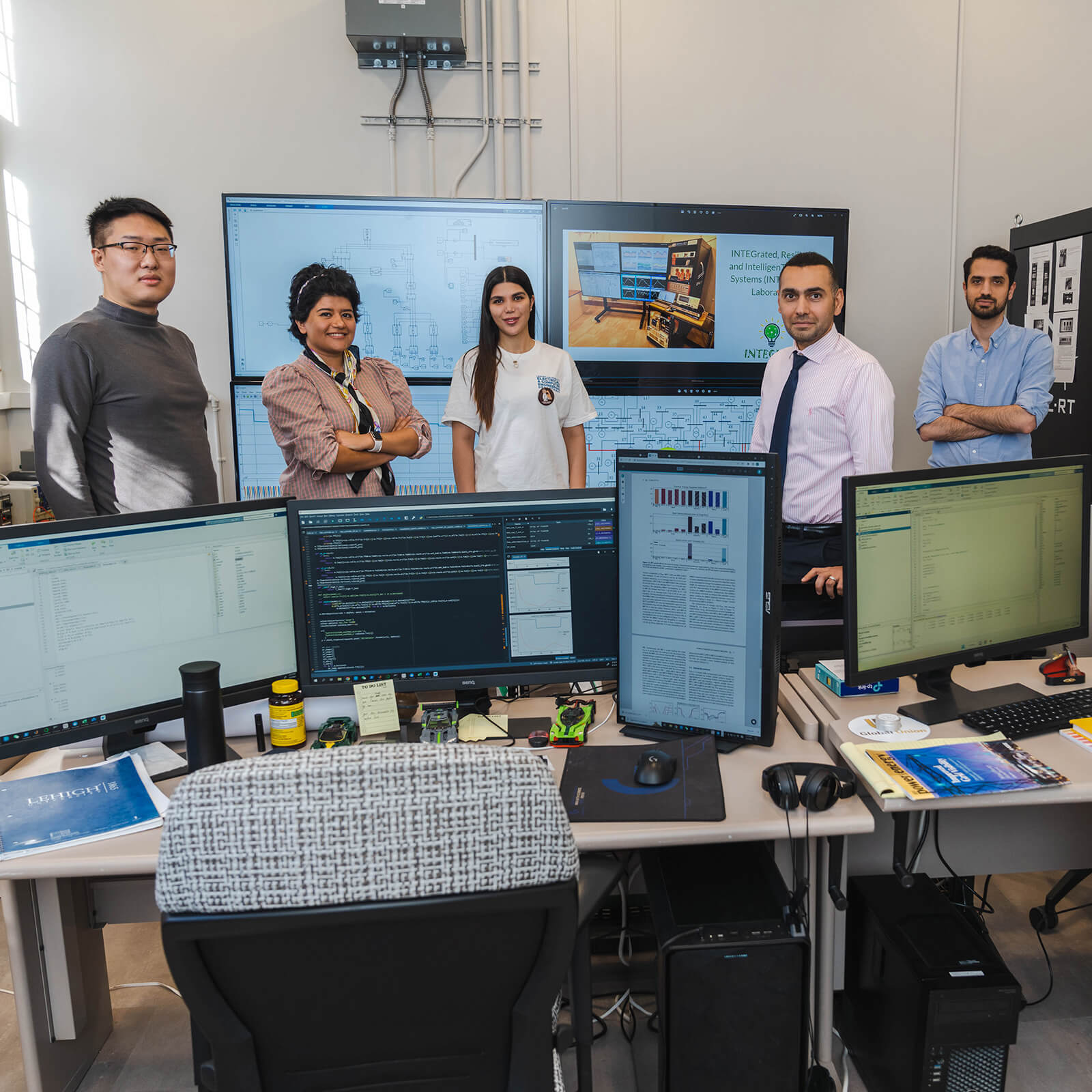
FYRE comes to life through team-based projects, exploring focus areas like design, energy, and AI, supported by faculty mentors and advisers.
Hands-on learning is a priority. Lehigh Engineering is investing more deeply than ever in student clubs and competition teams, recognizing that hands-on, collaborative projects are a critical part of an engineering education.
Groups such as LU Rocketry Association and Aerial Swarms are gaining institutional support that helps them expand their technical ambitions while welcoming more students into the experience. These teams allow undergraduates to design, build, and test sophisticated systems — from high-powered rockets to coordinated autonomous drones — while developing leadership, project management, and interdisciplinary collaboration skills.
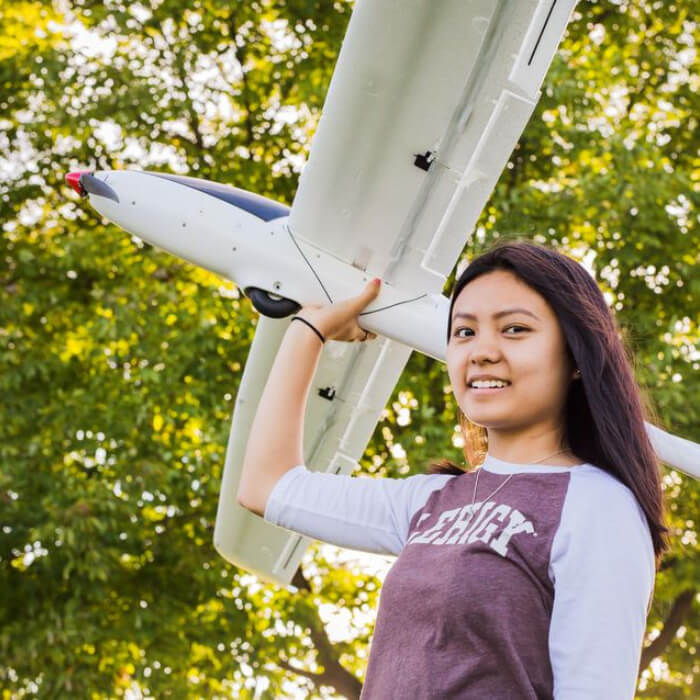 The result is a student experience that goes well beyond the classroom, preparing graduates to thrive in complex, real-world engineering environments.
The goal is for 100% of students to engage in meaningful experiential learning during their time at Lehigh.
- Its faculty serves students beyond the classroom. Lehigh is that rare school where renowned faculty researchers actively teach and advise both graduate and undergraduate students. Nationally recognized professors like Israel E. Wachs, Dan Frangopol, Hannah Dailey ’02 MS’06 Ph.D.’09, Martin Harmer, Mayuresh Kothare, and Carlos Romero are leaders in their fields, mentoring students and engaging them in solving major societal challenges through innovative classroom experiences and team-based research in diverse areas such as catastrophe modeling, marine energy, research commercialization, community electrification, and assistive technologies, just to name a few. Lehigh Engineering faculty foster a collaborative and inclusive learning environment, providing students with opportunities to participate in transformative research experiences.
It’s called to serve the community as a catalyst of change. Through interactive classroom experiences, hands-on projects, and industry partnerships, students receive an expansive education that combines theory with practical application. In addition, community and corporate partnerships provide opportunities for meaningful engagement.
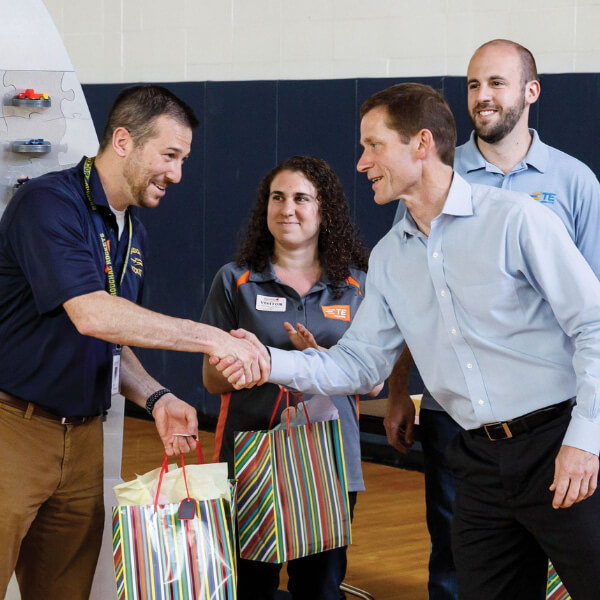
Mechanical Engineering Professor David Angstadt ’87 ’01G ’04 Ph.D. shakes hands with representatives from TE Connectivity and Broughal Middle School. This “learning through service” approach challenges students to confront real-world problems and make a lasting impact. The Lehigh STEM Squad is one example of how the college connects the Lehigh campus to the Bethlehem community and beyond.
Check out episode 30 of the Rossin Connection podcast to hear from members of Lehigh’s engineering faculty and a local science teacher about the work they do as part of the STEM Squad — and why they believe it can change lives.
Its alumni are — and always have been — true future makers. College of Engineering alums have a long history of stepping up to solve problems and create solutions. Lehigh Engineering has proudly produced innovators behind the James Webb Space Telescope, the 2010 rescue of the Chilean miners, the invention of the escalator, the rebirth of the Chrysler Corporation, and the development of the J-integral in fracture mechanics … and the list goes on and on.
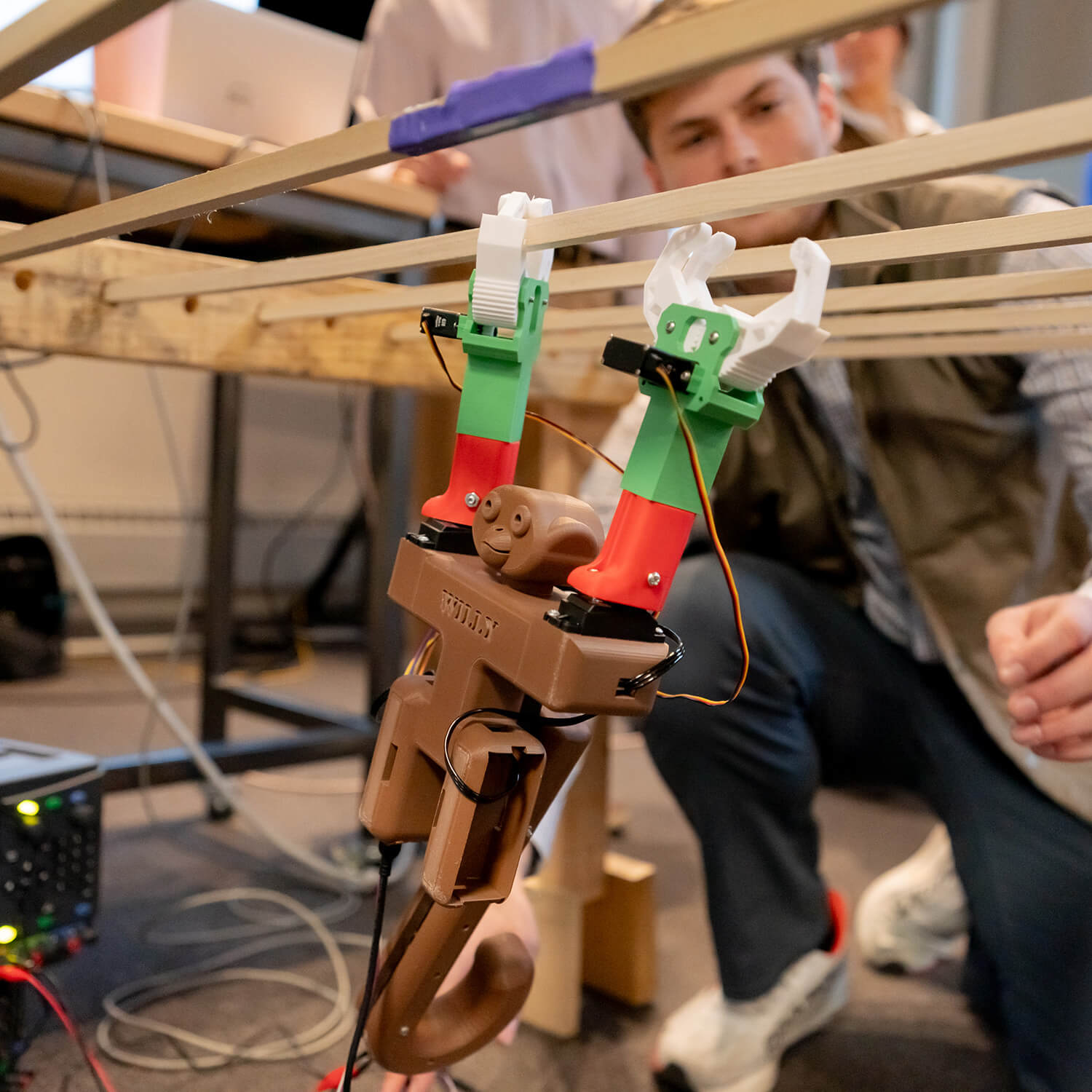
Students explore robotic design in the Freed Family Robotics Design Studio in Wilbur Powerhouse. While Rossin College alumni have a strong legacy of innovation, they also continually return to Lehigh to propel progress at its foundation. With engineering alumni President Joseph Helble ’82 and Chairman of the Board of Trustees Vincent Forlenza ’75 leveraging their leadership to unlock interdisciplinary opportunities, and with the Hay family gift fueling the next generation of engineers, the alumni network of industry experts and leaders is helping by funding new opportunities.
New facilities like the Freed Family Robotics Design Studio (made possible through a gift from trustee Drew Freed '83 '17P) and the Electronics Design Studio (courtesy of Ron Nersesian ’82) provide spaces where students can bring their ideas to life.
Follow everything happening in the Rossin College by visiting its news page, where you can sign up for the newsletter, check out the podcast, and follow updates on social media.
To extend its powerful legacy of leadership into the next generation of innovators, the Rossin College relies on the continued support of its community. Please consider making a gift or contact Danté Rossetti, director of development for the College of Engineering, to learn about other initiatives and ways to get involved.
Story updated on March 20, 2026; Originally published on March 21, 2025.