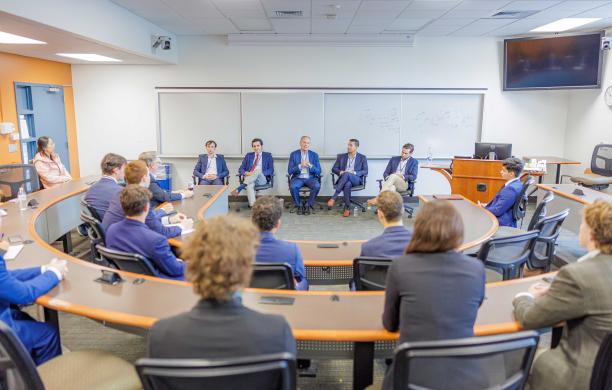

From the beginning, Lehigh has valued an education that connects disciplines, encourages applied learning, and prepares students to address complex challenges. That commitment continues in its four intercollege programs — Computer Science and Business (CSB), Integrated Business and Health (IBH), Integrated Business and Engineering (IBE), and Integrated Engineering, Arts, and Sciences (IDEAS) — designed to meet evolving student and workforce needs.
Their curricula give students opportunities to work across disciplines, colleges, majors, and programs while preparing for a challenging job market.
At his inauguration in 2021, President Joseph J. Helble ’82 made a commitment to grow these programs, saying of interdisciplinary education, “it is the area where Lehigh is the most competitive, the most distinctive, and where we can be the best because of our historical strengths.”
Intercollege programs have grown significantly since 2021. The newest offering, IBH, launched in fall 2025 to address the evolving health care system and the growing need for professionals who understand both health and business.
Here are five things everyone should know about Lehigh’s intercollege programs:
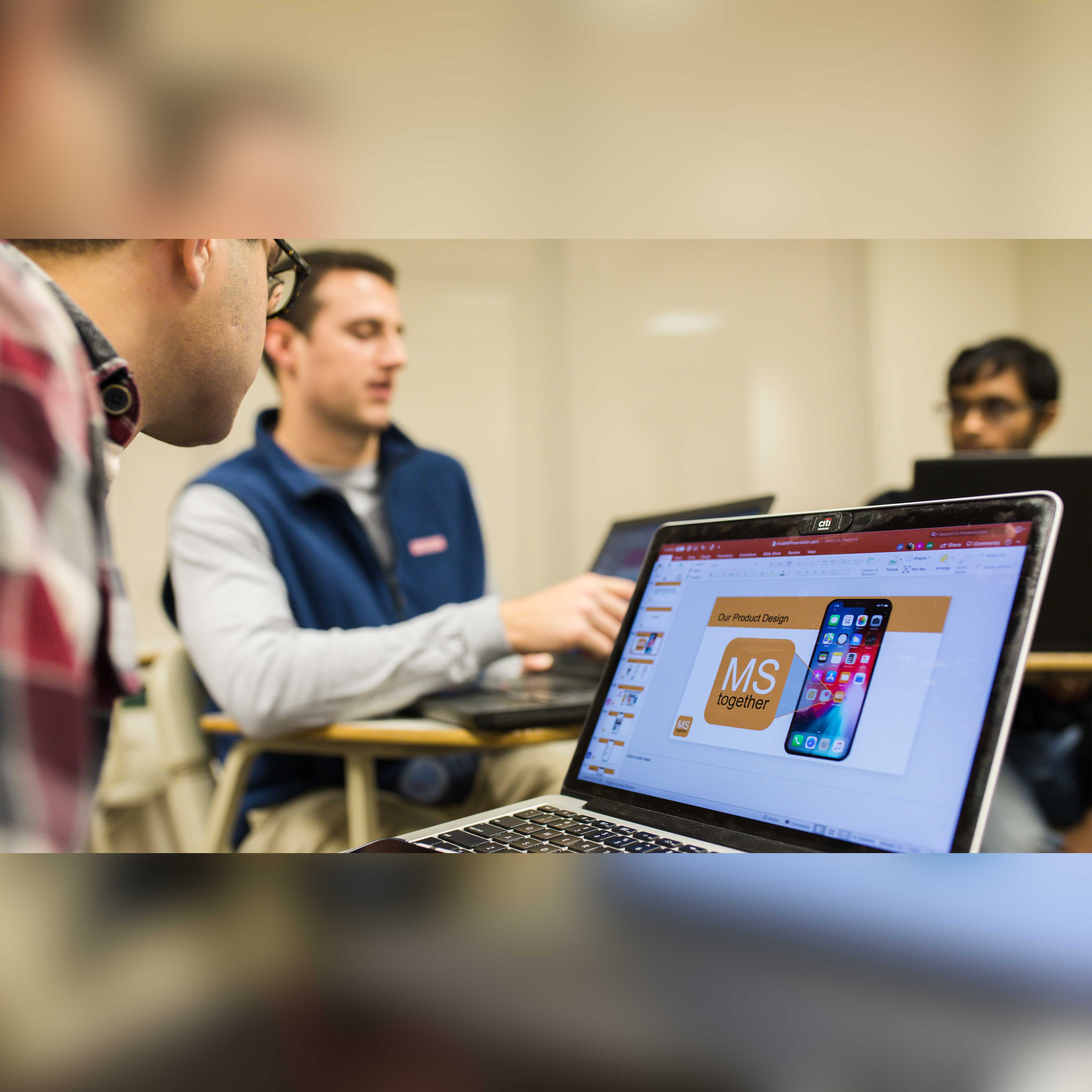
They’re distinctly Lehigh. These signature offerings reflect the university’s commitment to interdisciplinary education. Today’s global challenges, such as ethical AI use and development, affordable and accessible housing, and climate change, are all interdisciplinary problems. No one field, approach, or mindset will solve them. Our intercollege degrees fill gaps between traditional fields and create opportunities that students might not find within a single college.
IDEAS, for example, cultivates the skills needed to tackle systemic problems with creative solutions, pairing engineering and the arts. IBE graduates leave Lehigh with technical and business expertise. CSB prepares students to connect software development and business solutions. IBH combines health policy and economic expertise to address recurring challenges in today’s health care system.
They’re not double majors. Intercollege programs aren’t simply two majors packaged together. They’re interdisciplinary fields of study that bring together perspectives from across Lehigh’s colleges, resulting in one interdisciplinary degree.
Rather than simply studying multiple disciplines, students develop a deep understanding of how those disciplines intersect. Throughout their education, they learn to connect ideas, approaches, and skills across fields. In their senior year, students put their learning into practice through a hands-on, integrated capstone course that allows them to connect disciplines and demonstrate what they’ve learned.
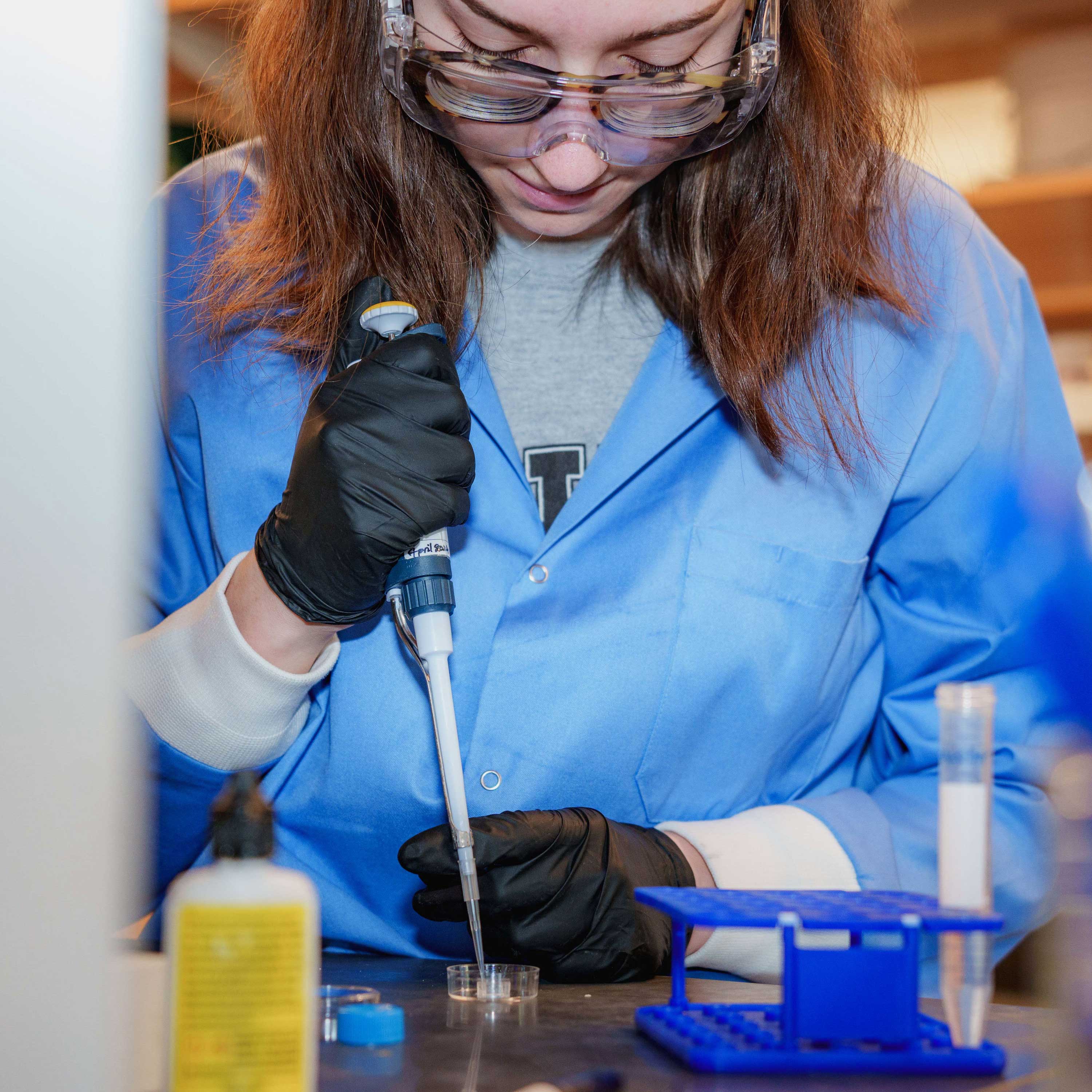
They prepare students to stand out in a competitive job market. Today’s job market demands more than expertise in a single area. Employers are looking for candidates who can bring multiple perspectives to complex challenges and adapt as industries evolve.
Intercollege programs intentionally develop those capabilities. By combining disciplines, they equip students with a broader range of knowledge and skills and the ability to connect those in meaningful ways. That can help graduates bring a broader perspective to the workforce.
The average starting salary for intercollege graduates: CSB graduates, $97,397; IBE graduates, $91,127; and IDEAS graduates, $77,351. Lehigh’s overall Class of 2025 average salary was $77,000.
Faculty bring more than one perspective to the table. Intercollege programs draw faculty from across the colleges into conversation with one another. Their work often extends beyond a single department or discipline, creating opportunities to connect different areas of expertise in the classroom through research and programming.
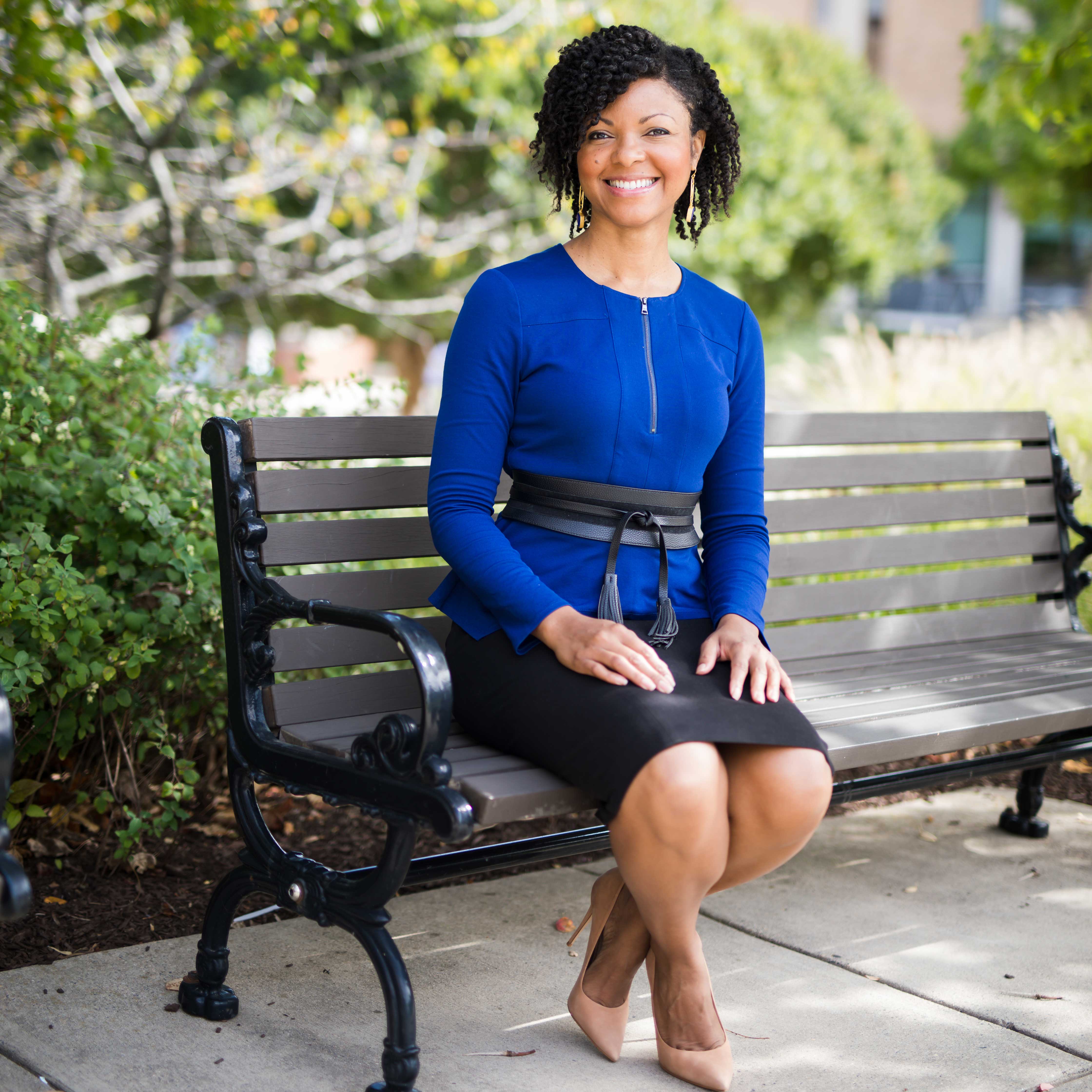
Terry-Ann Jones That cross-college approach is especially visible in research. All three of Lehigh’s University Research Centers are inherently interdisciplinary, bringing experts from different fields together to address problems that don’t fit into a single area of study. As an R1 institution, Lehigh is committed to growing the reach and reputation of its research, and intercollege faculty are contributing to work with direct applications beyond the university — from tackling community health issues to developing sustainable energy sources.
Students benefit from being taught by faculty who are making those connections themselves. Their work can open doors to research, mentorship, and collaboration inside and outside the university, while giving students a firsthand look at how different fields come together in practice.
The programs are designed to support that kind of collaboration. Each has co-directors representing different colleges and supporting the integrated studies. Terry-Ann Jones, deputy provost for undergraduate education, works with Provost & Senior Vice President for Academic Affairs Nathan Urban to guide academic programs and encourage their development.
Alumni help keep the momentum going. An engaged alumni network helps strengthen and grow intercollege programs.
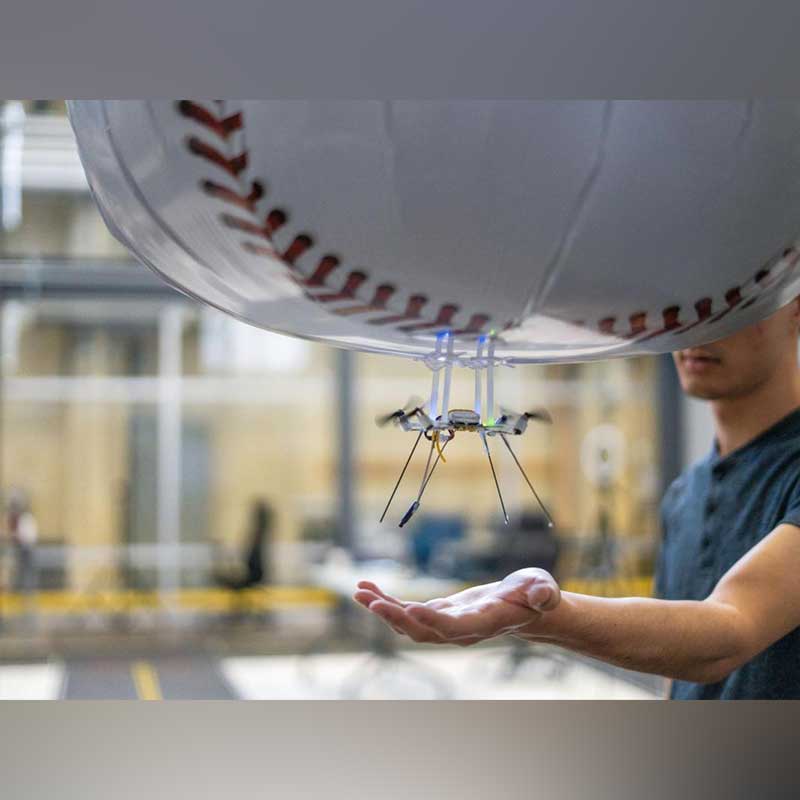
The impact is evident in what graduates go on to accomplish. Karina Makhani ’26, a CSB graduate, was selected as an alternate for the Fulbright Student Program. Chris Luke Andrassy ’21, an IBE graduate, has found great success in supply chain management through his company, Astral Insights. He serves on the Center for Supply Chain Research advisory council, connecting with students entering the field.
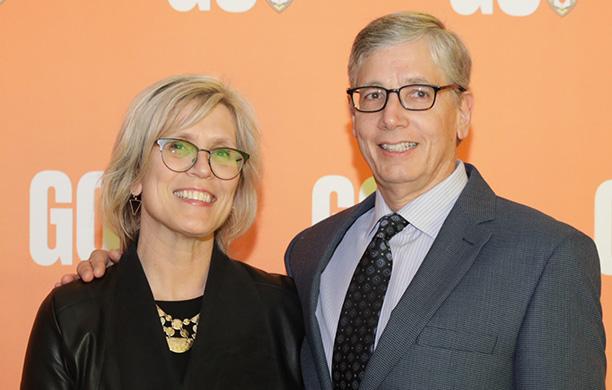
Alumni bring their multifaceted experiences and expertise back to Lehigh, strengthening programs and creating opportunities for students, including Josh Raskin ’95, who often hires IBE students at Nephron Research, where he served as a partner. Raskin was also an early supporter of the new IBH program, alongside Denise ’95 P’30 and Ken Faltischek P’30. Their support helps ensure that intercollege education continues to evolve with the needs of students and industry. They have also made it a point to serve as guest speakers in IBH’s first-year seminar course and at the College of Health’s Annual Colloquium Series, sharing their experience and inspiring the next generation of health leaders.
And alumni continue to step up. With a $5 million gift, Lehigh’s chair of the Board of Trustees, James Maida ’85 P’17 P’19, and Sharon Maida P’17 P’19 have established the Maida Family Scholars, which will provide up to four students enrolled in one of Lehigh’s four intercollege programs with merit scholarships covering their financial needs for an entire year. The scholarships will allow students to form a cohort, share experiences, and mentor one another during their time at Lehigh.
Want to get involved? Learn how you can support Intercollege students here and email Jen Nelson '90 M’92 P’22 P’23 P’25 with questions at jlj490@lehigh.edu.