Beau Whitman ’16 couldn’t hold a spoon.
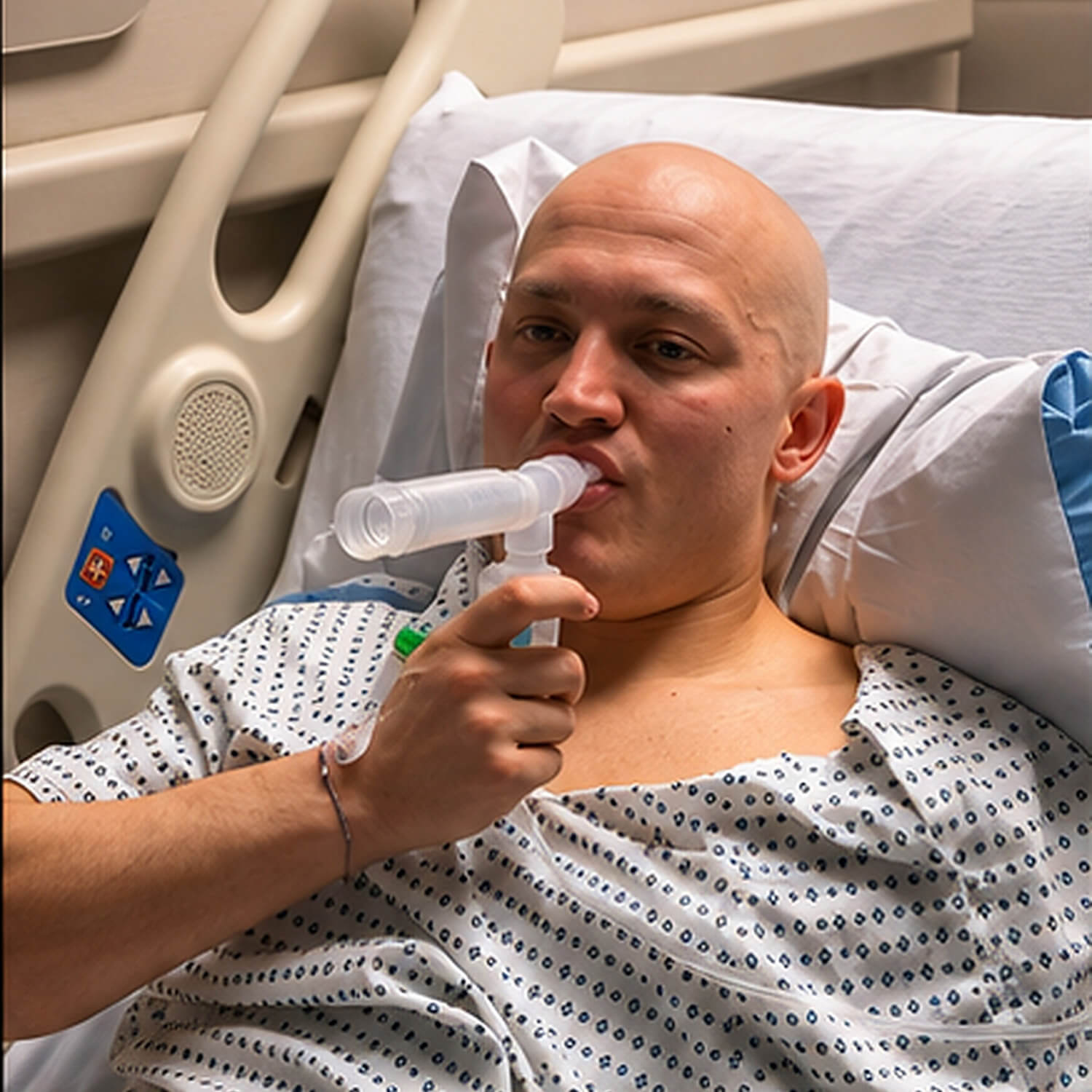
One morning during chemotherapy, his mom made him a bowl of oatmeal. His hands shook so hard he couldn’t lift the spoon to his mouth. Then the bowl slid into his lap. So he said something he had never said out loud: “I need help. I can’t do this on my own.”
His family gathered around him and fed him breakfast. “There you are,” his mom told him. “There’s the real Beau.”
They had been waiting for him to let his guard down.
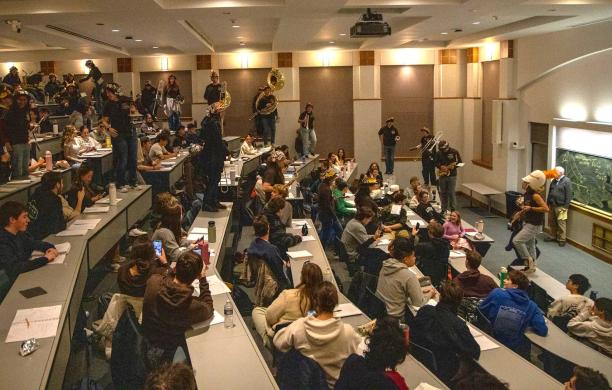
That moment sits at the heart of The Grit to Heal, Whitman’s new book on vulnerability, resilience, and courage. On Nov. 19, during Men’s Health Awareness Month, the former Lehigh pole vaulter and stage 3 cancer survivor will share its lessons in a Mountain Talk.
The Comeback Guy
A U.S. Junior Olympic National Team gymnast, Whitman had his first surgery — a shoulder reconstruction — at 14. Another followed every year or two, and he came back each time.
“I did not think I was wearing armor,” he says. “I thought the armor was me.”
Built at Lehigh
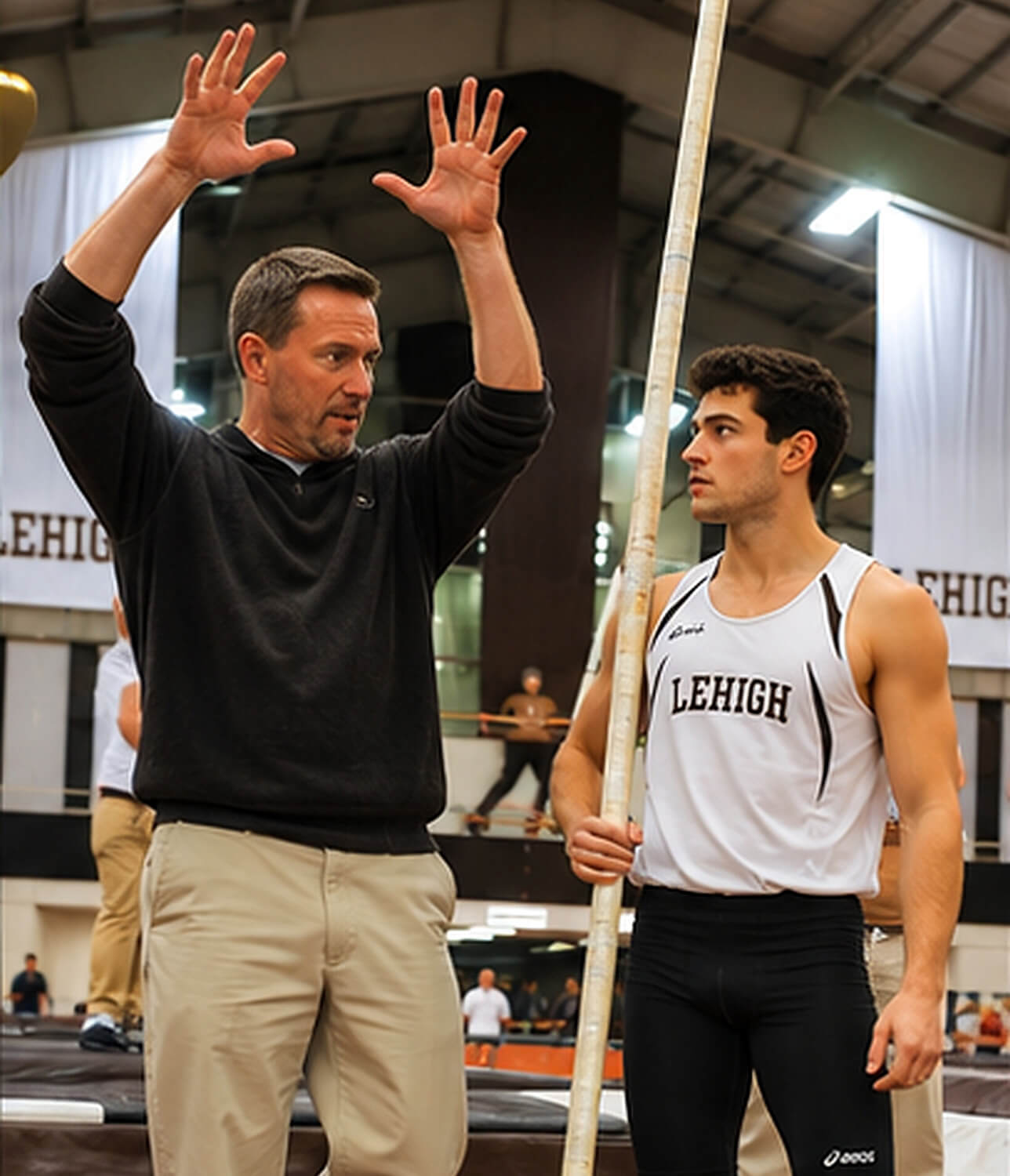
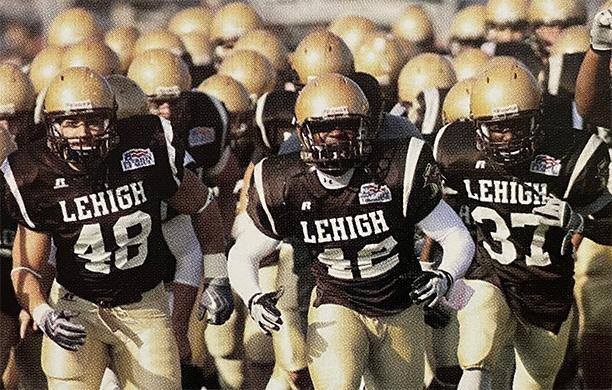
Pole vault was a natural next step. “It’s basically gymnastics with a runway,” he says. From 2012 to 2016, he competed for Lehigh, reaching the Patriot League podium indoors and outdoors.
Lehigh, he says, was “where I could keep competing at a real level and get pushed in every other part of my life at the same time.”
His teammates had the same grit. When decathlete Ryan Paquin ’14 pulled his hamstring, he ran the 1,500 meters anyway to put points on the board for Lehigh. It was a moment that resonated with Whitman.
“I grew up pushing through obstacles in sports, and watching someone do exactly that reminded me I belonged on that team,” Whitman says, “and that it was OK to be that.”
Years later, cancer would teach him the limits of pushing through. Lehigh friends helped him learn that lesson. His best friend, Holden Greiner ’15, was one of the first people Whitman ever truly opened up to about his struggles and stood by him through treatment.
Off the runway, Whitman earned a design degree from the College of Arts and Sciences and took Integrated Product Development courses through the Technical Entrepreneurship program.
“Lehigh is a big part of where I got built,” he says, “as an athlete and as a person.”
When Toughness Stopped Working
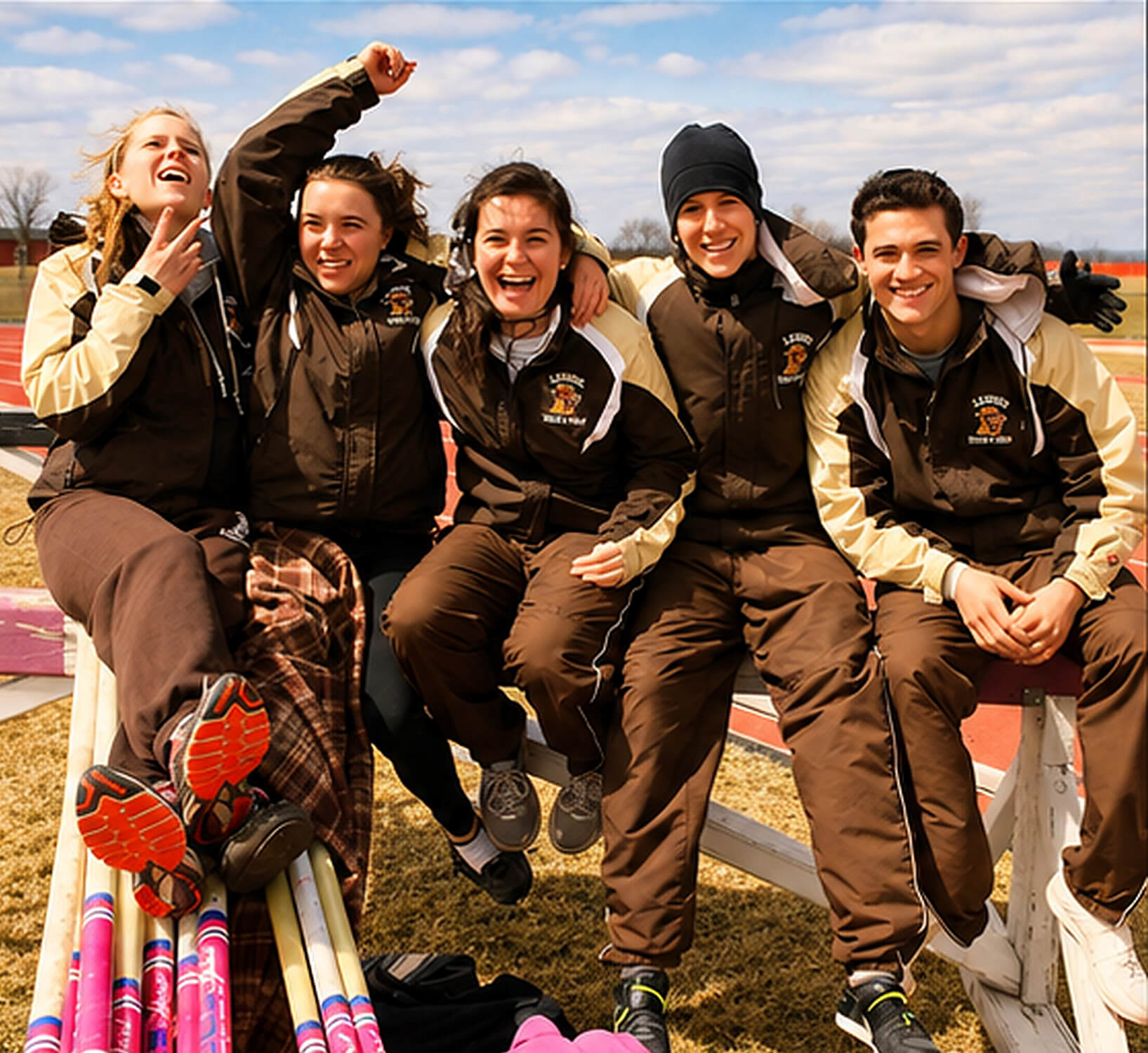
At 27, Whitman was coaching Division III track and field at NYU. After a weightlifting meet in Brooklyn, a stabbing pain hit his lower back.
Imaging showed a mass above his collarbone. Further testing revealed a rare stage 3 nonseminomatous germ cell tumor, a form of testicular cancer. He was treated at Memorial Sloan Kettering with chemotherapy and two surgeries.
He learned a hard lesson. “You cannot out-tough cells,” he says.
The Grit to Heal
From that experience came the Grit Triangle, a framework built on vulnerability, resilience, and courage.
“Getting through does not close the wound,” he says. “That is the whole reason the book is called The Grit to Heal and not The Grit to Survive.”
Whitman hopes to bring the book to hospitals and libraries, and he’s happy to share it with anyone who needs it.
Why It Matters for Men
Testicular cancer is the most common cancer in young men, and Whitman sees armor as more than a metaphor.
“It is a mortality statistic,” he says. “Men do not check, do not go in, do not ask for help.”
As head of coaching education at F13 Performance, a gym that specializes in coached training, he now tells clients in pain to rest and listen to their bodies.
“Asking for help is not the moment you lose,” he says. “It is the most advanced move there is.”
Coming Home to Lehigh
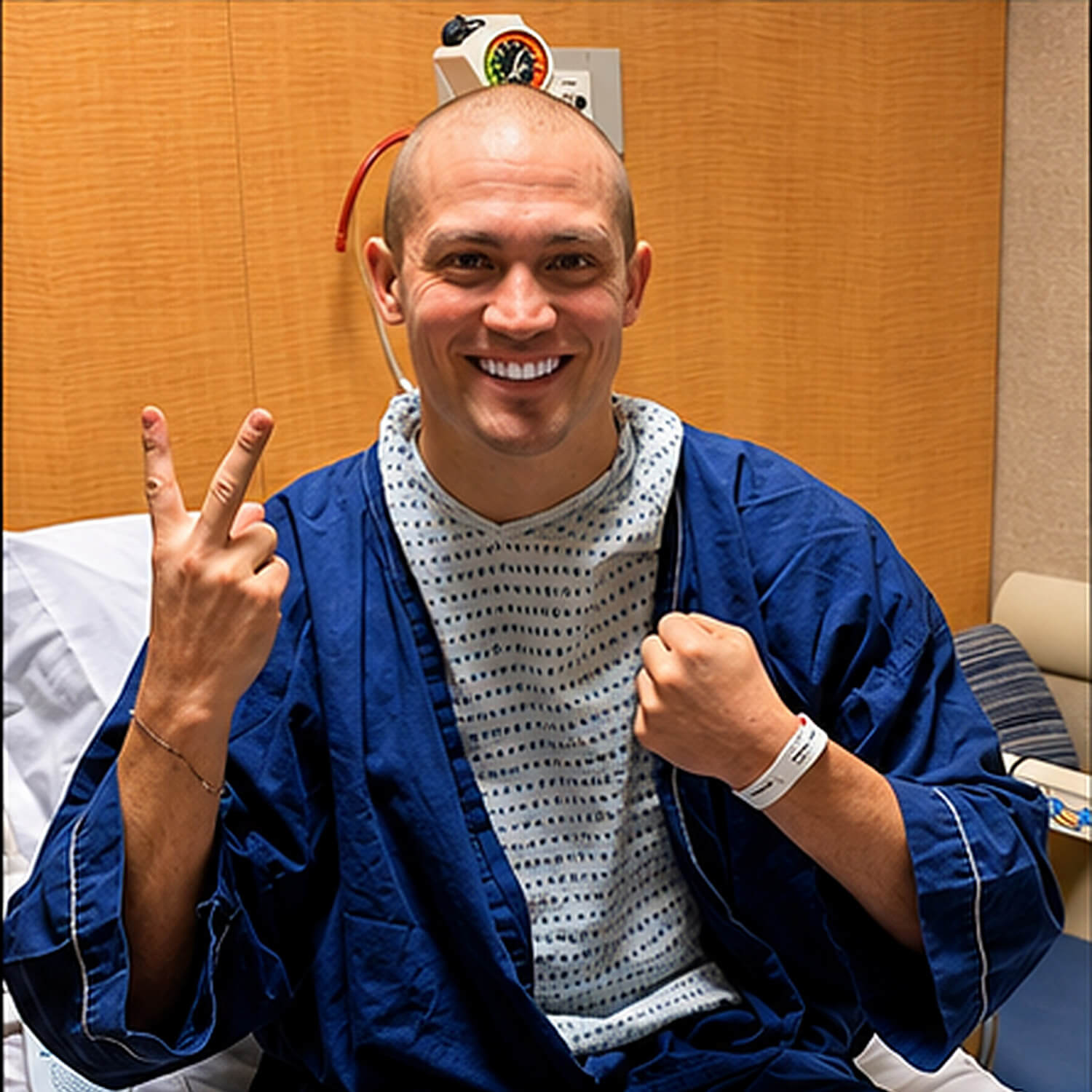
Living 20 minutes from campus, Whitman is glad to bring his message home.
“This is not a story about a sick kid who got better,” he says. “It is a story about a strong kid who finally got honest and found out that was the stronger thing all along.”
"The Grit to Heal: Why the Toughest People Break, and How to Build Grit Without the Armor" will be held on Nov. 19,12:15 p.m. ET. Register here. Take the Grit Triangle self-test at beauwhitman.org.