
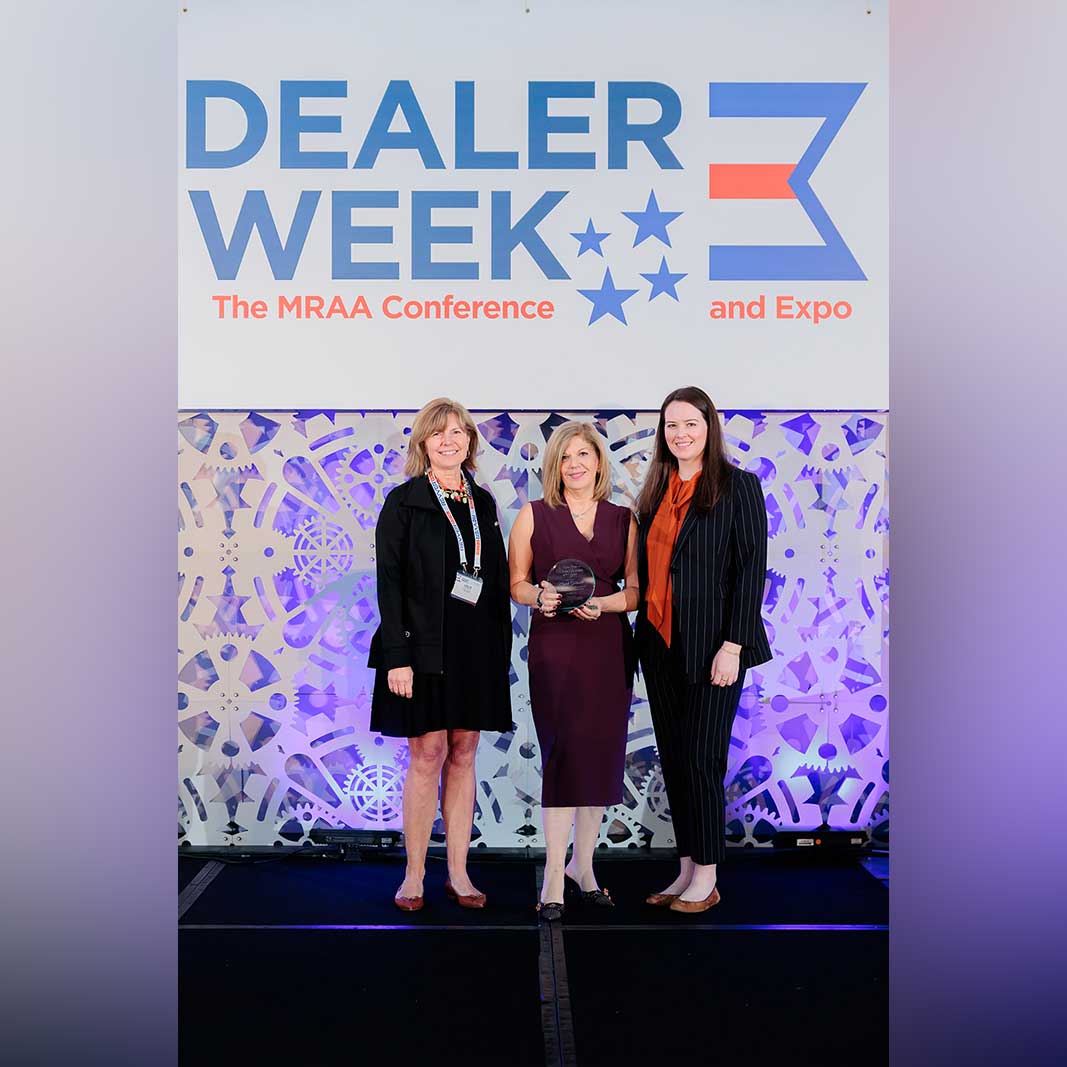
Taylor Briggs ’15 took a leap of faith when she moved from Minnesota to Pennsylvania to attend Lehigh. The gamble paid off. Today, she’s a successful attorney who has been named to Pennsylvania’s Rising Stars list several times and to Best Lawyers: Ones to Watch in America for her work in estate planning, Orphans’ Court litigation, trust and estate beneficiary representation, and tax controversy.
Finding Her Calling
“I always knew I wanted to be an attorney,” Briggs says. “I don’t remember what first sparked the interest — maybe watching Law and Order — but I think what it boils down to is I’m a good problem solver, and I like to help people.”
After law school in D.C., Briggs returned to the Lehigh Valley, where she quickly turned an internship with a local attorney into a full-time position. Today, she is an associate in Norris McLaughlin, P.A.’s Trusts and Estates practice group in Allentown.
Falling into trust and estate law, she says, was a happy accident. While it wasn’t a specialty she initially considered, the work proved to be a natural fit for her personality and interests.
“You meet a lot of people, and you have to make them feel comfortable so they can tell you about their family dynamics,” she says. “Oftentimes, you stay with that family for generations. You really do get to know the family — who's good at what, their personalities — and you become sensitive to how people grieve.”
Start the Conversation
Those experiences taught Briggs that preparation is one of the most important gifts anyone can give their loved ones. Planning ahead can make an otherwise difficult and emotional process less stressful for everyone involved.
That doesn’t mean these conversations are easy, but Briggs encourages people to start them early and communicate openly with their families about their wishes.
“My general advice is you should talk to your family about your plan and include them as much as you can on your rationale and the decisions you came to,” she says. “It's hard to see families struggling to understand why things were allocated a certain way. Tell the family your plan and field their questions while you’re living. It reduces unnecessary suffering.”
Planned Giving is for Everyone
Briggs also dispels the misconception that planned giving is only for people with significant wealth. In reality, there are many ways to leave a charitable gift, regardless of the size of an estate.
“I have plenty of clients that give varying amounts in their wills,” she says. “You can do something like a specific dollar amount or a percentage of your estate. Some of my clients give 5 to 10 percent of their assets to organizations and charities as well — or other non-cash gifts.”
The first step, she says, is to think about your vision and the organizations you want to support, whether that’s Lehigh or another cause important to you. From there, take an inventory of your assets and understand how they’re titled.
For those considering charitable giving as part of their estate plan, there can be financial benefits in addition to the philanthropic impact.
“You can save on taxes, and there’s an inheritance tax to be aware of for anyone except for your spouse or charities,” she says. “You can also save on income tax because your beneficiary doesn’t owe taxes. People do planned giving for charitable reasons in general, but there are perks of the situation as well.”
Make the Plan Clear
Ultimately, Briggs says, clarity is key. A well-organized estate plan doesn’t just communicate your wishes; it makes the process easier for your loved ones.
“Make a detailed record of where your assets are, keep your financial statements in one place, and tell your children and family where those documents are,” Briggs says. “If you have a financial advisor, write those contacts down. It’s hard when someone passes and there’s no knowledge of what they have or where they keep it. I recognize these aren’t easy conversations to have, but your family will appreciate knowing your wishes, and it’ll ultimately help them with the process.”
Because of the real impact she is making for her clients and their families, Briggs finds the work incredibly rewarding. The relationships she builds with clients and the opportunity to help families navigate some of life’s most emotional moments keep her engaged.
To stay grounded, she keeps a bulletin board in her office filled with notes from clients and families expressing their gratitude for helping them turn emotionally complex situations into the legacies they envisioned.
“I feel very blessed that I get to help people through one of the hardest times in their life,” she says.
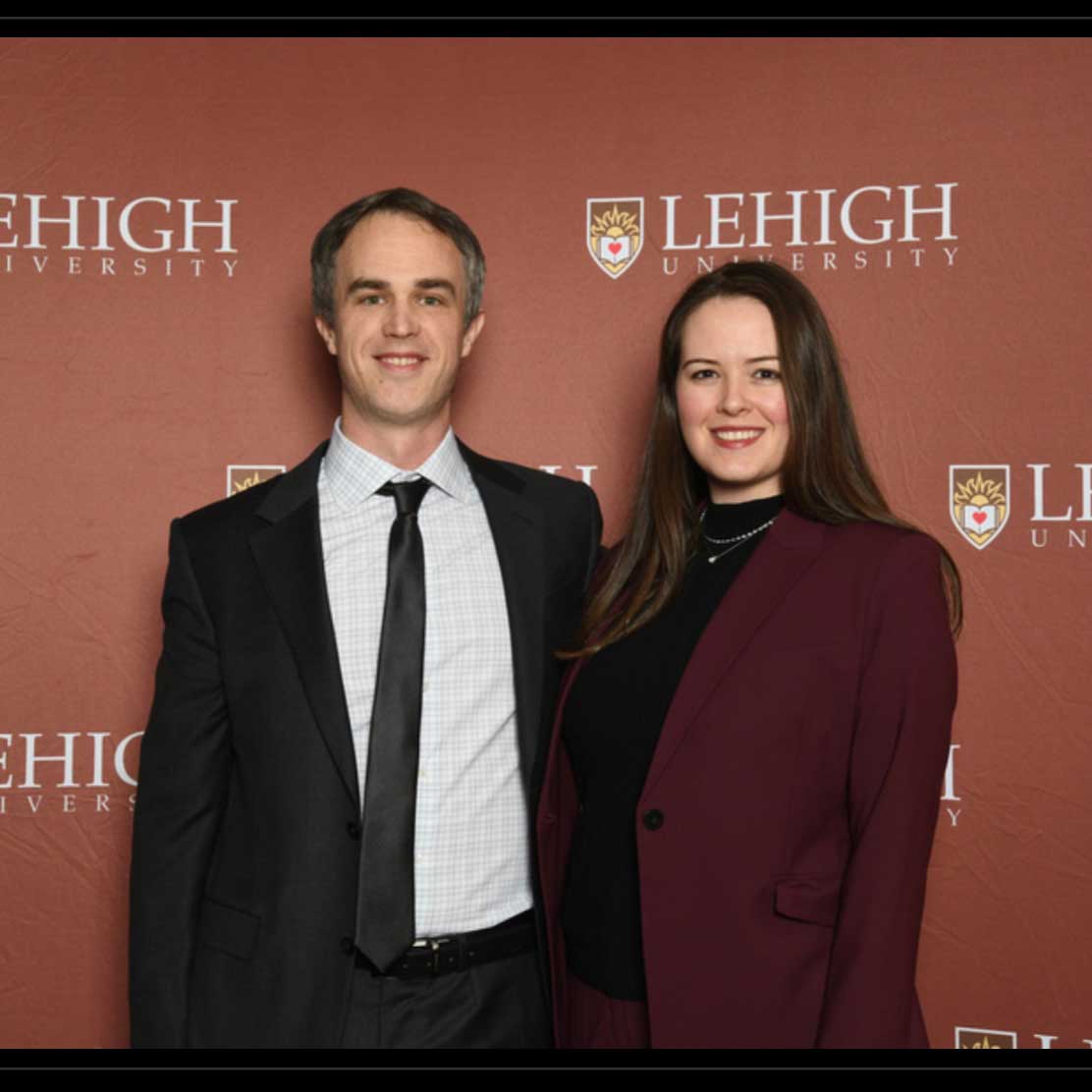
Briggs and her husband, Michael McKinnon '09, recently welcomed their first child, a new chapter that has given her even more reason to think about the importance of planning for the future and has helped her connect with her clients on a deeper level.
Thoughtful planning isn’t simply about what happens when you’re gone. It’s about making your wishes clear, caring for the people and causes that matter to you, and leaving a legacy that reflects what you value the most.