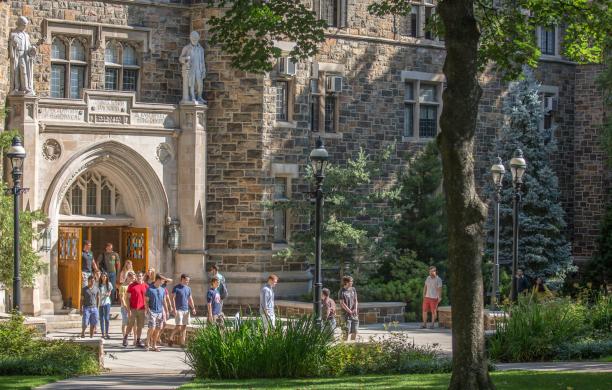

Service is more than just an interest for Nick Miller ’02 MS’03; it runs deep in his blood. Coming from a long line of West Point graduates, Miller always knew he would serve in the military. When it came time for college, he carved his own trail through the Reserve Officers’ Training Corps (ROTC) at Lehigh.
“I was kind of a punk surfer bro,” he jokes. “The service was a formative, tough love for me.”
Forging His Own Path
Miller was drawn to Lehigh for its engineering program and his early interest in computers, especially as the internet was just beginning to take shape. After being accepted into Lehigh’s President’s Scholar program, he was able to add a fifth year of study at no cost. After some convincing on his part, the Army allowed him to complete his master’s in electrical engineering before entering active duty.
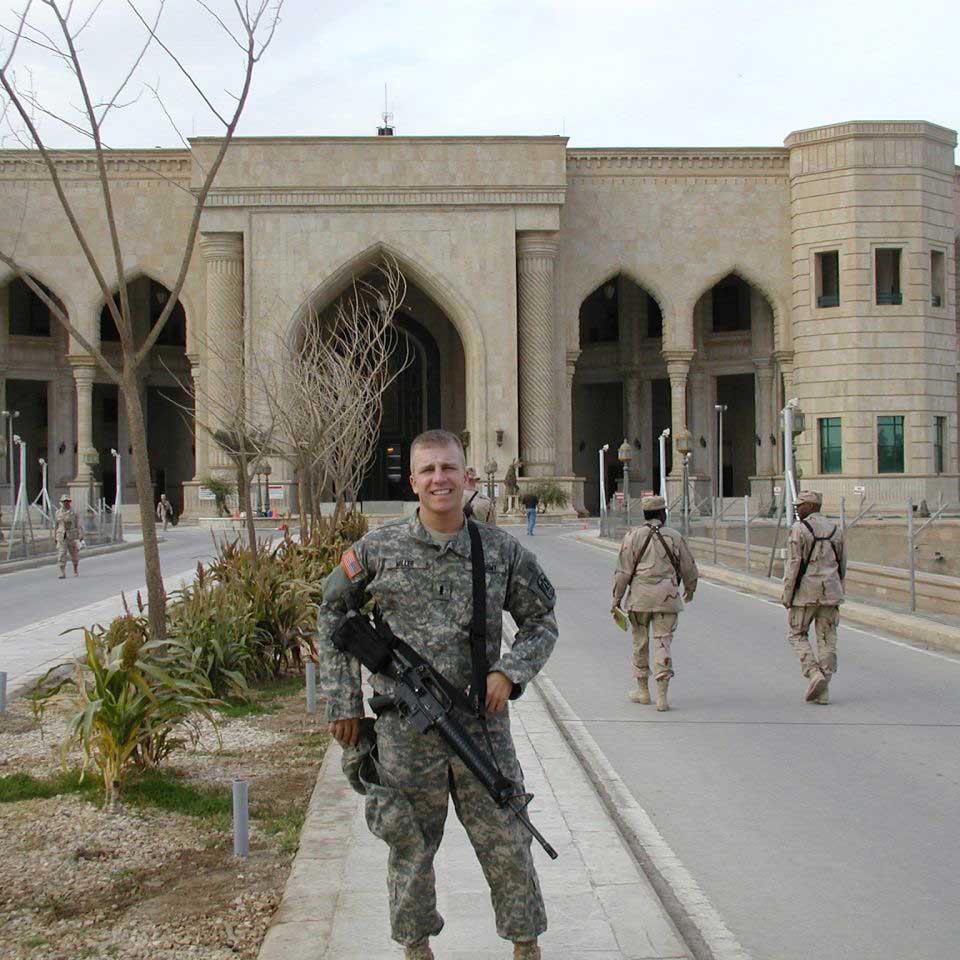
After graduating, Miller joined the Army’s Signal Corps, the branch responsible for military communications. Over time, he advanced from second lieutenant to major.
“When I explain the Army Signal Corps, I compare it to Braveheart,” he says. “In the movie, there are people on the battlefield holding flags, signaling the troops and helping them communicate different maneuvers. That’s what Signal Corps does, but through radios and the internet.”
Early in his service, Miller deployed to a desert training exercise in Arizona, where he and his team provided internet connectivity for an army preparing for combat. He later deployed to Iraq and Afghanistan for similar missions, ensuring communication systems remained operational in the field.
In total, Miller served just over 10 years in the Army.
Honoring the Fallen
His final assignment began in 2010, when he was appointed chief information officer at Arlington National Cemetery.
“I was at a low point in my life,” he recalls. “I had been successful in the Army, promoted early, and I was on my way to pursue a Ph.D. and teach at West Point. But I realized I didn’t want that to be my career, so I stepped away. Within six months, I was asked to lead Arlington’s digital transformation.”
At the time, Arlington was recovering from a public scandal involving reports of mismanagement that left many families worried their loved ones’ remains had been misplaced.
When Miller arrived, the cemetery was operating with outdated technology — mostly fax machines and scattered paper files. For an institution responsible for coordinating roughly 7,000 burials each year and welcoming more than four million visitors annually, the lack of modern systems created serious challenges.
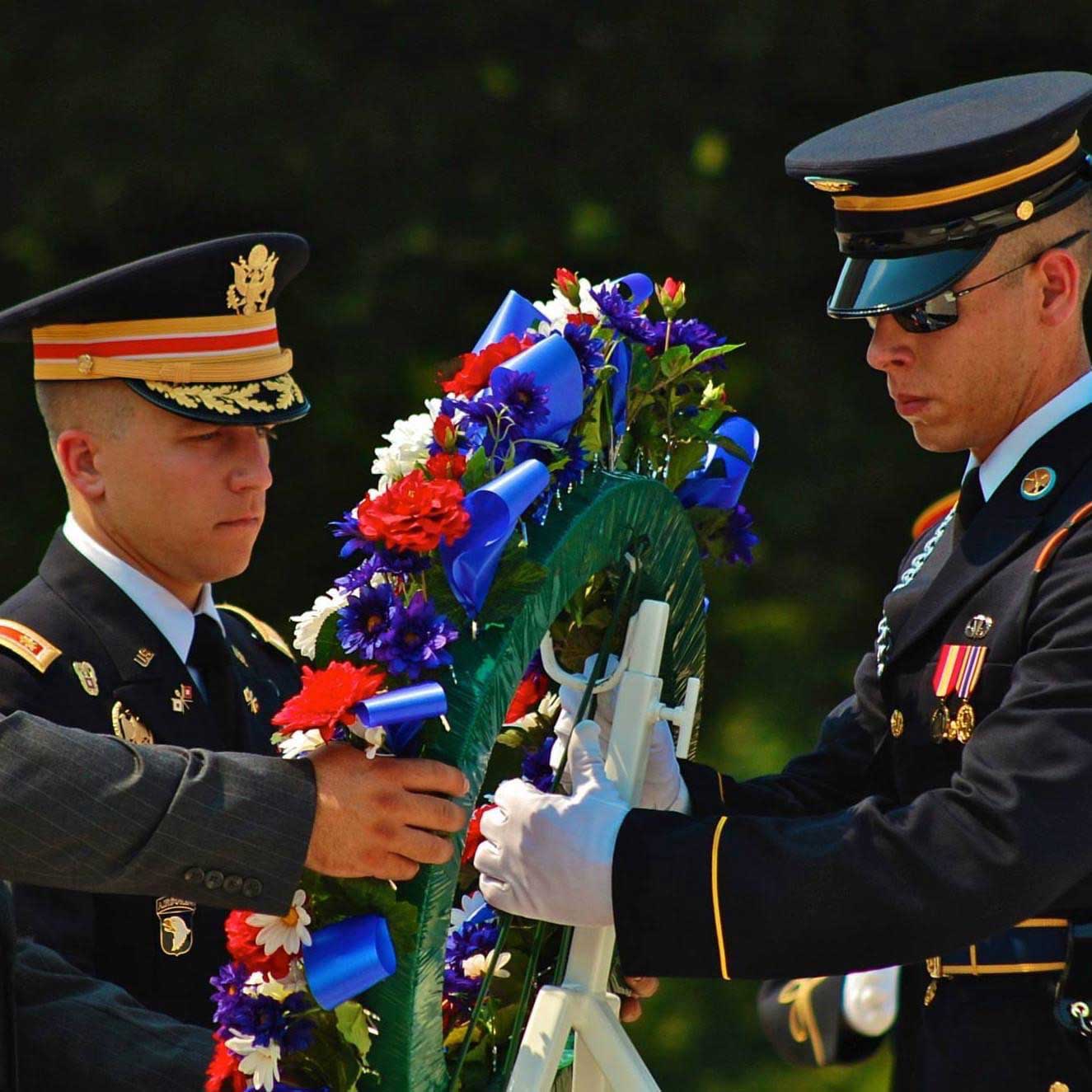
“I remember getting a call from a mother asking about her son’s headstone,” he says. “It had been two years, and he still didn’t have one. This was a mother who had lost her son. All I could do was empathize with her and feel the weight of her pain knowing she didn’t have that sense of closure.”
Investigating the issue, Miller discovered that the contract for the grave marker had lapsed. He helped ensure leadership quickly reinstated the agreement, and the headstone was placed. Soon after, he was able to show the mother that her son’s grave had finally been properly marked, honoring his service and sacrifice.
During his time at Arlington, Miller’s work to restore public trust and digitize the cemetery also helped launch one of the federal government’s first iPhone apps.
Arlington’s app, ANC Explorer, allows visitors to explore the cemetery, locate gravesites, and learn the stories of those buried there — creating a powerful connection between visitors and the thousands of service members laid to rest.
“When I was in Afghanistan, I saw people I knew get killed,” he says. “One of the things we would say as part of the Soldier's Creed as a cadet at Lehigh was, ‘I will never leave a fallen comrade.’ For me, working at Arlington was healing. It felt like fulfilling that promise.”
Life After Service
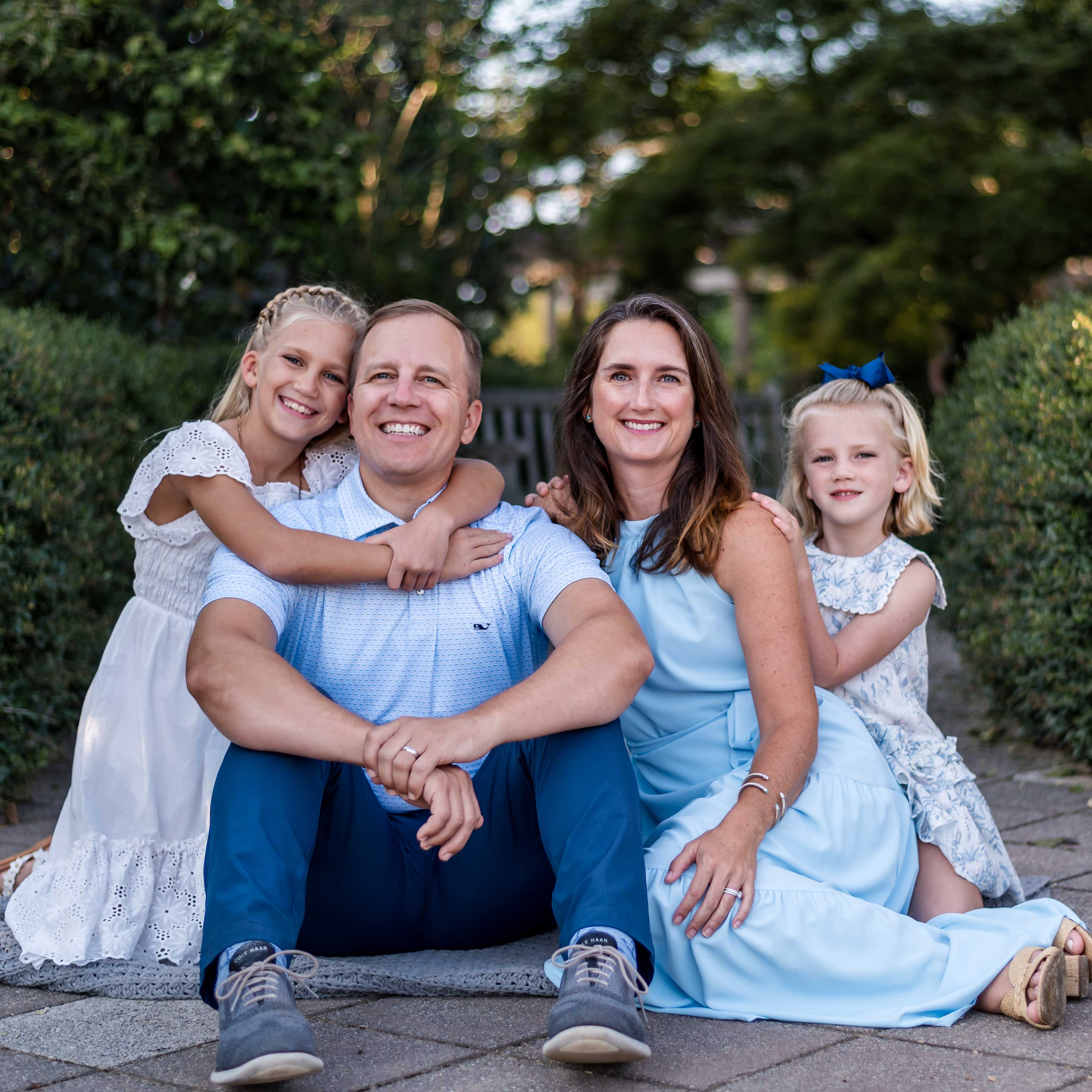
Today, Miller has founded a venture capital-backed startup company, Pellucid Network, that provides agentic procurement to help organizations innovate and adopt modern technologies. Drawing on both his military experience and technical expertise, he helps others navigate the same kinds of digital transformations he once led.
After years spent serving his country, Miller now finds his greatest joy in the quiet moments he once imagined from half a world away.
“I dreamed of having a family when I sat in Afghanistan,” he says. “Now, I’m happy just drinking coffee and watching my daughters play. War is a lonely place, and those simple moments are incredibly powerful to me. I don’t think most people fully appreciate them.”
This Memorial Day, Miller’s message is simple: Take time to learn the stories and heroism of fallen service members while appreciating the blessings of freedom and family those sacrifices enable.