
In some stories, the main character faces a seemingly insurmountable obstacle, finds a way to overcome it, and discovers lifelong happiness. In reality, most of us are blessed to have only fleeting moments with such storylines.
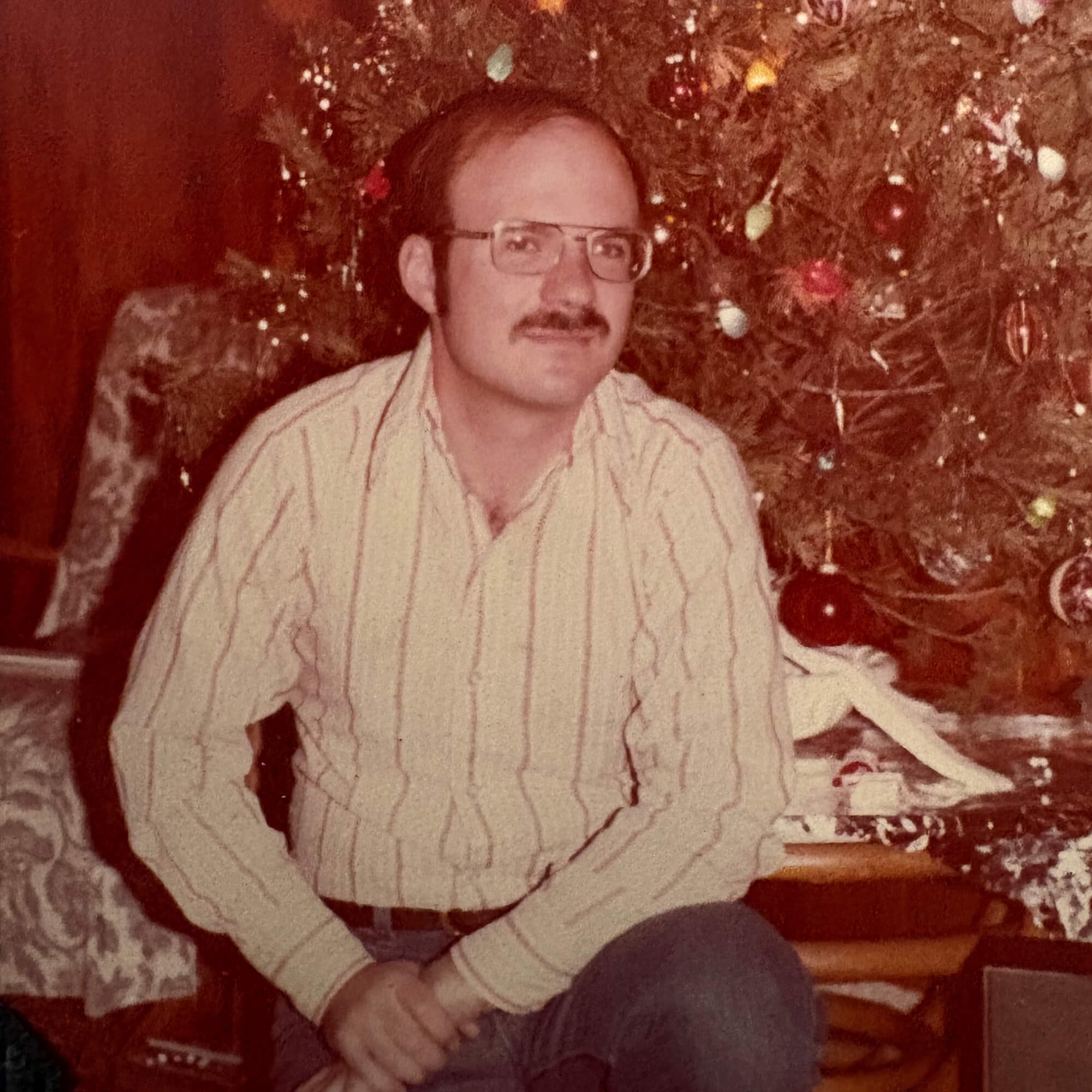
In that regard, Paul S. Elosge ’75 lived like most of us. But his true impact begins at the end. After his passing, he left a legacy that will forever outshine the silent struggles he faced at Lehigh and in life. His $1.25 million gift will endow and name the director’s position at the Pride Center.
Life at Lehigh
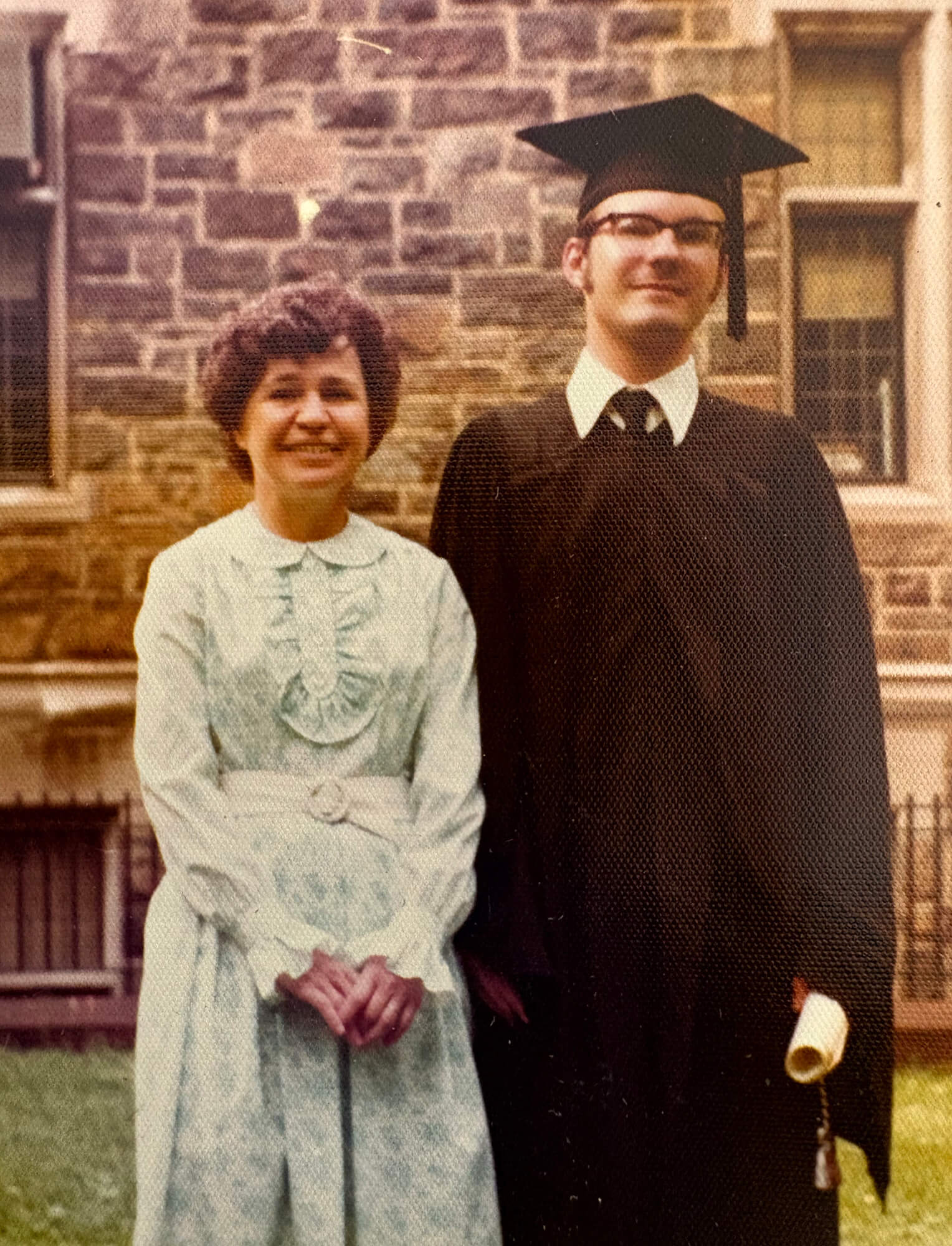
Born in Sellersville, Pennsylvania, and raised for a time in Philadelphia, Elosge came to Lehigh from Bethlehem, where he graduated from Liberty High School. While he dreamed of working in automotive design and attending General Motors Institute, he decided instead to remain close to home and study mechanical engineering.
Records show that he made the Dean’s List, earned sophomore honors, joined the American Society of Mechanical Engineers, and was inducted into Pi Tau Sigma, the international honor society for mechanical engineers. He was proud of his lab work on gas turbine technology.
He was elected to the Forum, representing students as part of the university’s decision-making process. He served as chairman of its admissions subcommittee, advocating for increased minority enrollment, greater financial support for minority students, and a minority staff position on the admissions team. He even surveyed students to find those willing to visit their high schools and talk with candidates interested in Lehigh.
While he worked to advance others, his rights to safely coexist were under threat. Several gay members of Theta Chi were outed in 1974 and asked to move out. Discussion on campus erupted. Alumni weighed in. The fraternity brothers were split on what to do. Ultimately, those gay members left the Greek system.
It prompted some students to ask university chaplain and noted civil rights pioneer Hubert L. Flesher to assist them in creating a Homophile Club on campus. The group would remain unrecognized so as not to receive university funding. While it took another decade for a club to gain solid footing, Elosge must have shown support for the initiative.
He often told a story about leaving a prayer rally at Packer Chapel only to face fellow Lehigh students picketing and shouting gay slurs. It was a defining moment in his life and, from what he told others, the last time he attended church.
But it didn’t diminish his faith or his love of Lehigh.
“The hurt of that moment stayed with him, not as bitterness,“ says Jacob Ostermeyer, his financial advisor at Edward Jones. “Paul always talked proudly about his time at Lehigh, a place that shaped so much of his life, and he was so eager to return for his 50th Reunion in 2025 but became too sick to attend.”
A Career in the Closet
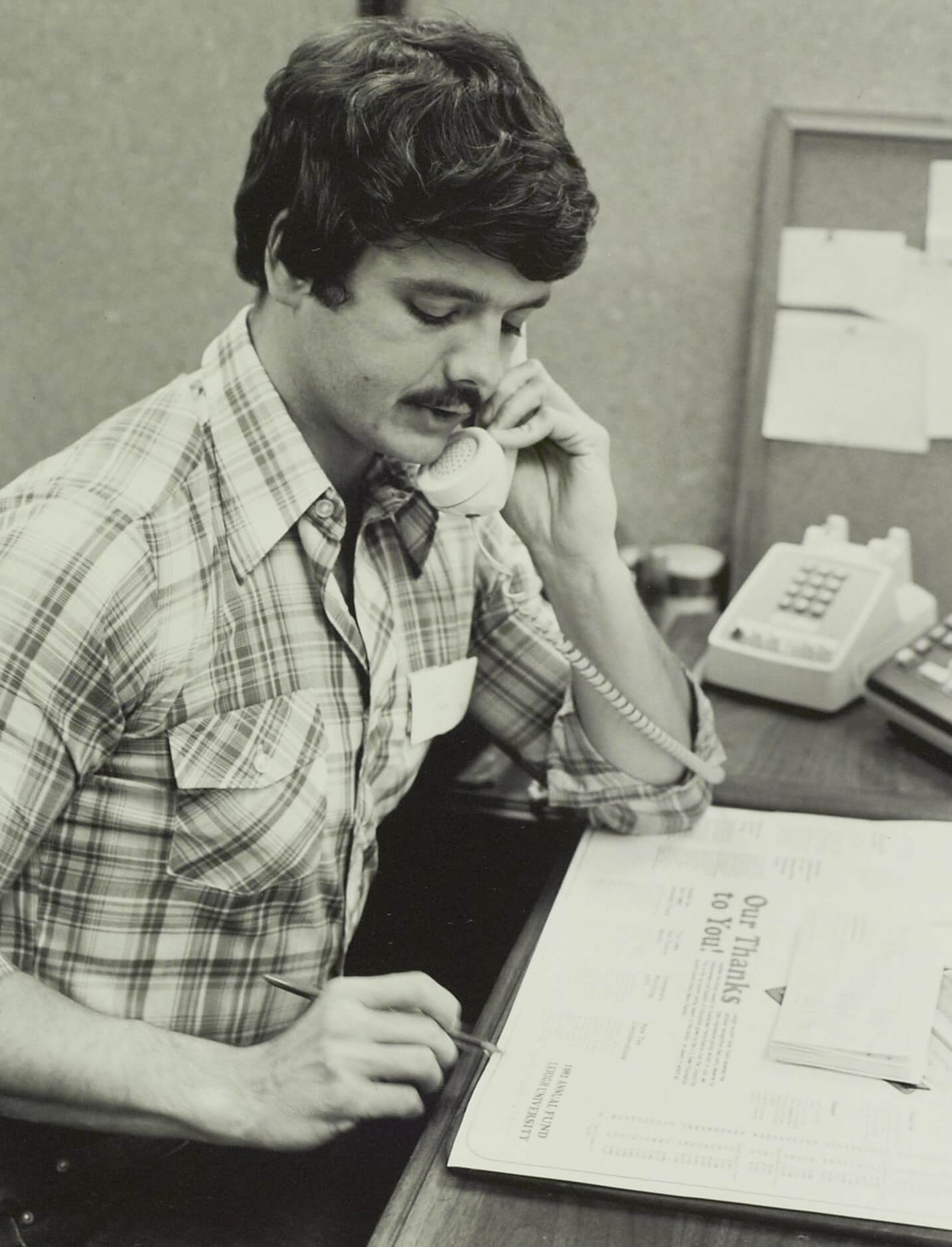
Following Commencement, Elosge's first position was with the U.S. Army’s Harry Diamond Laboratory in Washington, D.C. It was during this time that his focus shifted from mechanical engineering to computers and software engineering.
He was heavily involved in the development of software to track Soviet submarines — SOSUS (SOund SUrveillance System) — during the Cold War. He later worked at Digital Equipment Corporation, the number two mainframe computer developer and manufacturer behind IBM during the years before personal computers and the internet transformed the industry.
His brother Neal Elosge says that “quality, craftsmanship, and excellence were his motto at a time in history when failure was not an option, particularly in the defense and government projects in which he was involved.”
Those government projects also kept him in the closet, as federal policies and the culture surrounding national security clearances discouraged people from living openly as gay men and lesbians.
Despite his silence at work, he was an avid supporter of the LBGTQIA+ community. During the 1980s, he devoted time to the AIDS Memorial Quilt and supported efforts to improve treatment for people living with HIV/AIDS.
Elosge finished his career with various internet startups.
In Retirement
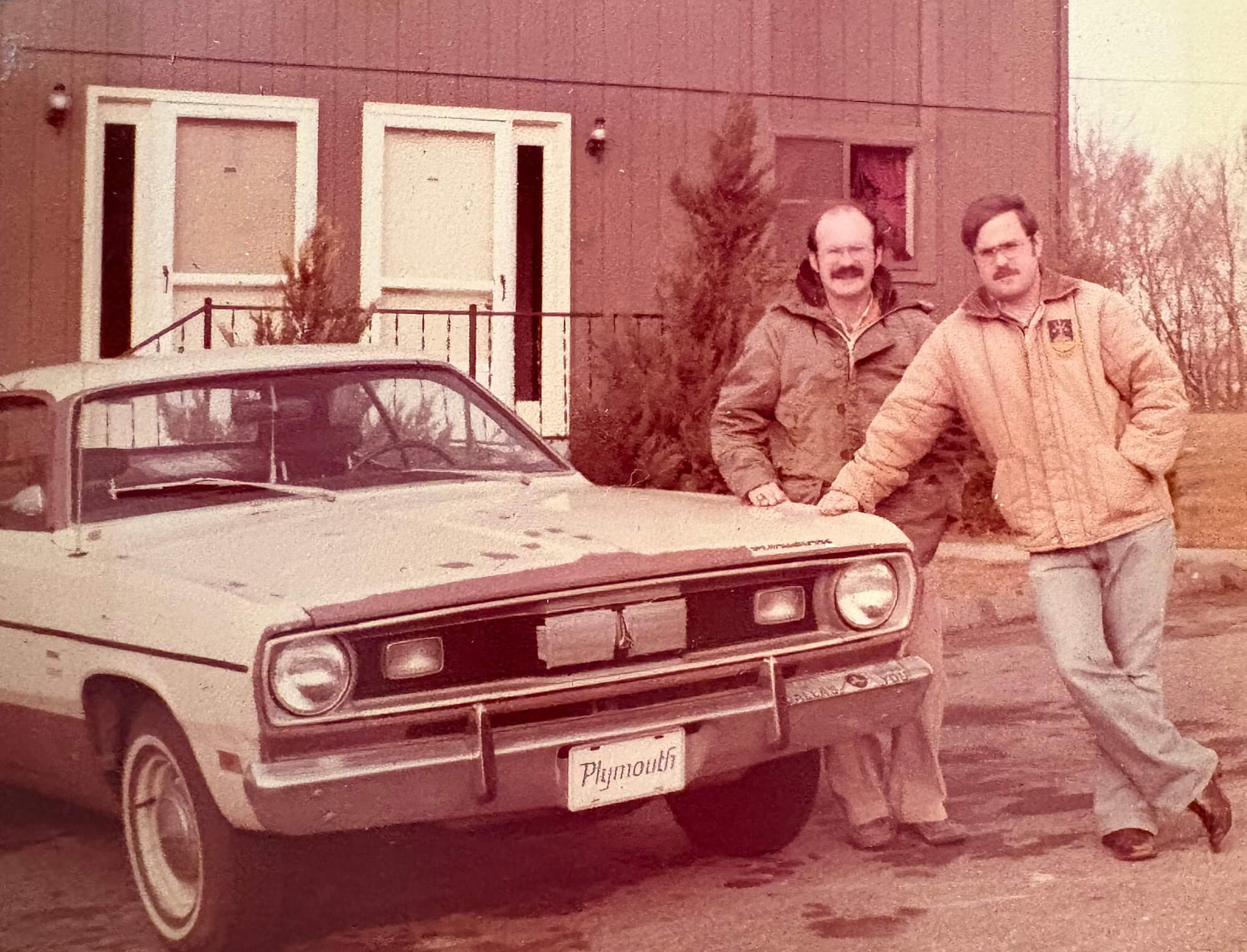
Elosge moved from Washington, D.C., to central Florida to care for his ailing mother until her death. When a random package arrived with a postmark of Ontonagon, Michigan, Elosge looked up the village and decided, site unseen, to move to Michigan’s Upper Peninsula.
Ontonagon is a conservative small town on the shores of Lake Superior, just north of Ottawa National Forest. Ostermeyer jokes that it has six months of winter.
But Elosge had plenty to keep him busy. His favorite hobby was cooking. An early admirer of Julia Child and French cuisine, he had numerous cookbooks. He also collected pens and brass candlesticks and enjoyed keeping up with new technology.
He was happy there.
But the isolation took its toll. He grew distant from family. He watched television news with growing concern about divisions in the country. He became increasingly fearful and anxious.
“He worried that today’s politics were moving things backwards,” says Ostermeyer. “He was scared that Lehigh could become the place he navigated rather than the place it should aspire to.”
That’s when he began his research on the Pride Center — its budget, programming, and activities.
“He wanted to give as much as he could to support it,” says Ostermeyer. “To the point that he sacrificed things he needed, like a new roof.”
His worries caused him to lose weight. His health declined. He slowly gave up. He wrote his own obituary in first person and drafted a brief letter to Lehigh explaining his bequest.
Soon he was calling Ostermeyer’s office every day to let them know he was still alive. On the day the phone didn’t ring, the office contacted local police and requested a wellness check. Paul was taken to the hospital.
He passed away in December 2025.
Pride Center Impact
While researching the Pride Center, Elosge became excited by the possibility that his gift could help sustain its work for generations.
“His gift to Pride Center is something he saw as an act of love, courage, and hope,” says Ostermeyer. “It is Paul's way of ensuring that future generations of students — especially those who feel isolated and unseen — will find a safe, healthy, loving environment, a place where they are welcomed and encouraged to flourish.”
Scottie Burden, director of the Pride Center, knows that Elosge’s gift will change lives.
“It serves as a guarantee that we will be able to assist students who face bias and challenges because of who they are. If they are made homeless, if lacking financial support, if facing health costs, we will be here to help,” he says. ”The Pride Center will work to ensure that LGBTQIA+ students will be successful here and fall in love with Lehigh like Paul did while we also work to minimize the impact of some of the same hardships that he experienced.”
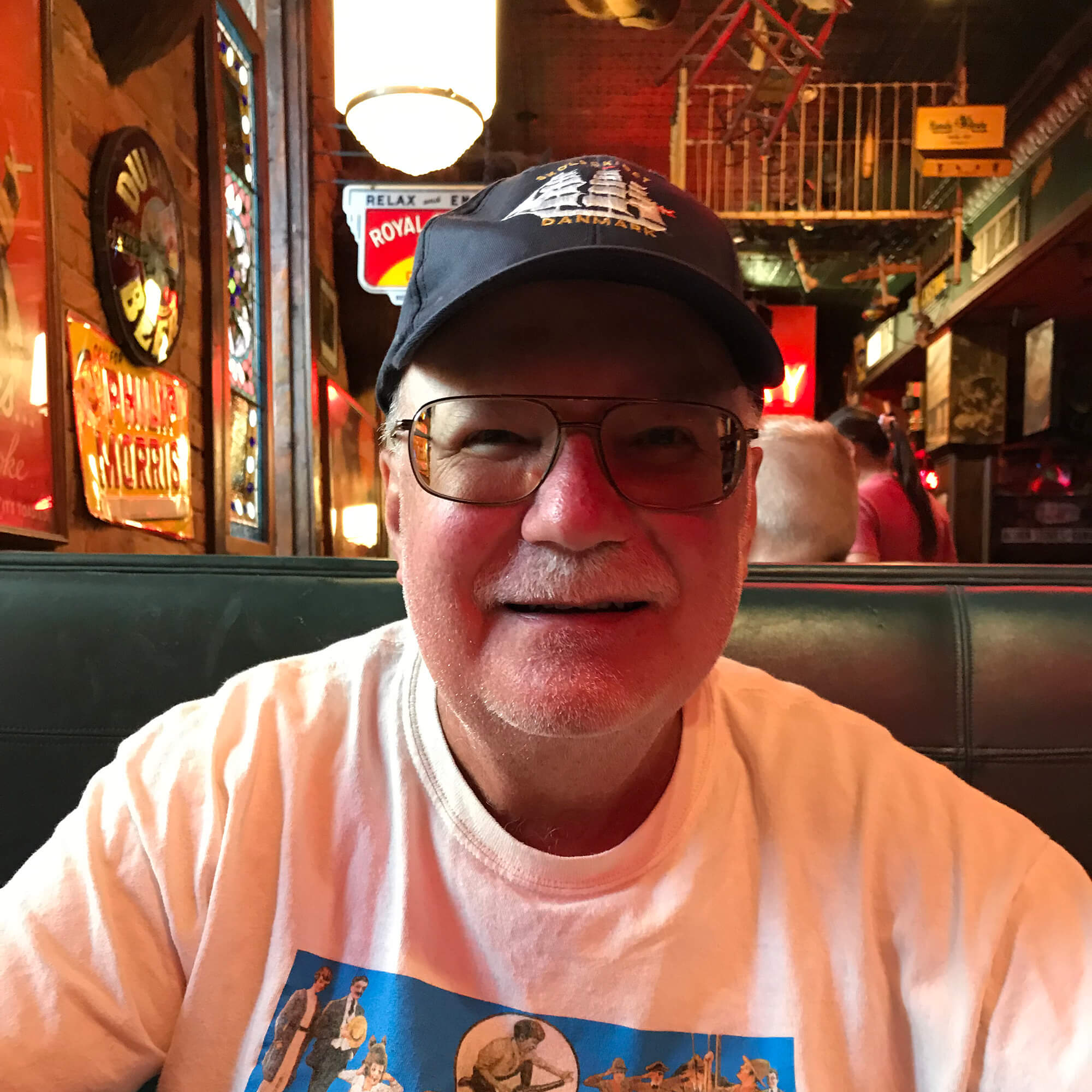
“Paul’s story is an important one to tell. It allows Lehigh to see its history, growth, and trajectory — where we have come from and where we are going,” says Donald Outing, vice president for equity and community. “It also allows us to see the impact Lehigh makes even when the experience is challenging. Paul faced that challenge and now has made a gift to alleviate those challenges and alter the experiences and stories for so many Lehigh students.”
“Paul wanted his gift to transform his story and stories of future LGBTQIA+ alumni into something bigger — from hardship to healing, isolation to belonging, and silence to affirmation,” says Ostermeyer.