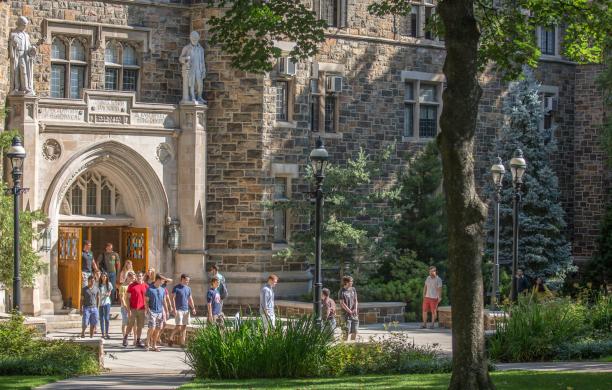

James N. Stanard '70 built a career predicting the unpredictable, using models, probabilities, and risk scenarios to understand the impact of natural disasters. But one storm refused to stay on paper.
“We lived in hurricane-prone areas for many years, including Bermuda,” Stanard recalls. “We never risked it; we would always leave. One time, a hurricane was headed to North Carolina, so we packed up and went to Baltimore. And that’s where it hit.”
Even the experts can’t always outrun risk. But at Lehigh, Stanard developed something just as valuable: the ability to navigate uncertainty and solve complex problems — skills that would shape his career and, ultimately, his philanthropy.
From Curiosity to Catastrophe Modeling
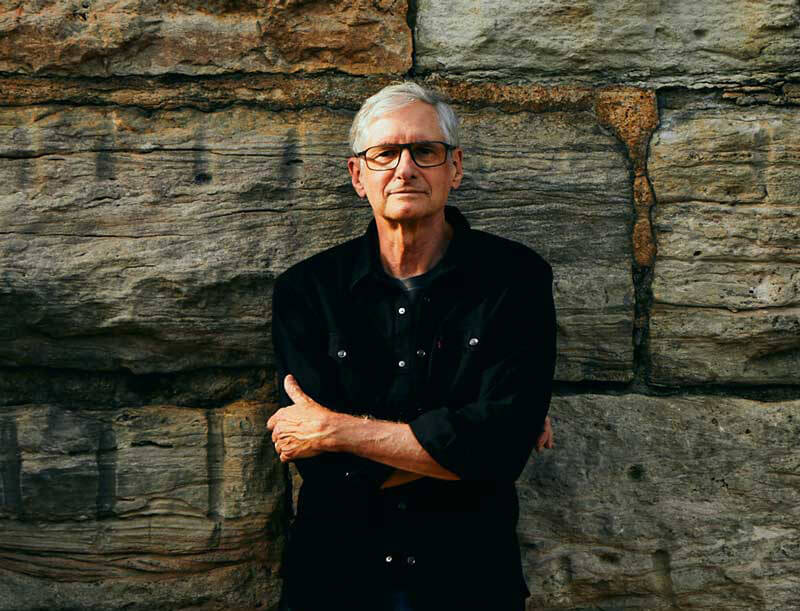
Stanard arrived at Lehigh as an engineering major but quickly realized it wasn’t the right fit.
“I couldn’t make any physical things work,” he says with a laugh.
He explored economics and psychology before stepping away after his sophomore year to gain clarity.
That time proved pivotal. Working as a computer programming trainee in the early days of computing, Stanard discovered a passion for analytical thinking and problem-solving. When he returned to Lehigh, he pursued a degree in mathematics with plans to become an actuary.
The transition came with challenges.
“I had four math classes and one Spanish class,” he says. “I spent as much time on the Spanish class as all four math classes combined.”
More importantly, he developed resilience tackling weekly math problems that often felt insurmountable.
“All of them seemed impossible,” he says. “I would take one, work on it, give up, and move to another, then come back later. I kept pounding away at it. It taught me how to keep pulling at the threads of a problem until something gave.”
That persistence became the foundation of his career.
Building a Career on Risk and Prediction
Stanard went on to become a leader in the insurance and risk management industry, founding RenaissanceRe, a company at the forefront of catastrophe reinsurance — insurance for insurance companies. His work helped pioneer the use of probabilistic modeling, including Monte Carlo simulations, to estimate the financial impact of natural disasters.
By the late 1980s, advances in computing made it possible to simulate thousands of storm scenarios, transforming how risk was understood and managed. Stanard and his colleagues applied these tools not only to weather events but to financial systems, reshaping how organizations approached risk.
“It’s all fairly straightforward statistically,” he says. “It just required the technology to catch up.”
Over time, his work has helped industries better prepare for and recover from climate-related events.
From Predicting Risk to Creating Opportunity
In recent years, Stanard has reengaged with Lehigh in a meaningful way, inspired both by its academic direction and its values. His support of the Center for Catastrophe Modeling and Resilience and the Lehigh Fund reflects his belief in preparing students to tackle real-world risks with modern tools.
He sees the center as uniquely positioned to bridge theory and practice through collaboration between academia and industry.
Equally important to Stanard is Lehigh’s commitment to open discourse. The university’s adoption of the Chicago Principles reinforced his confidence in its direction.
“I think a number of top institutions have lost their way,” he says. “Lehigh has done a good job of remaining a high-quality institution while staying grounded in its mission.”
His philanthropy also reflects a broader shift. After years focused on economic development initiatives, Stanard has increasingly prioritized education, recognizing its essential role in preparing students for a rapidly evolving, technology-driven world.
The Human Equation
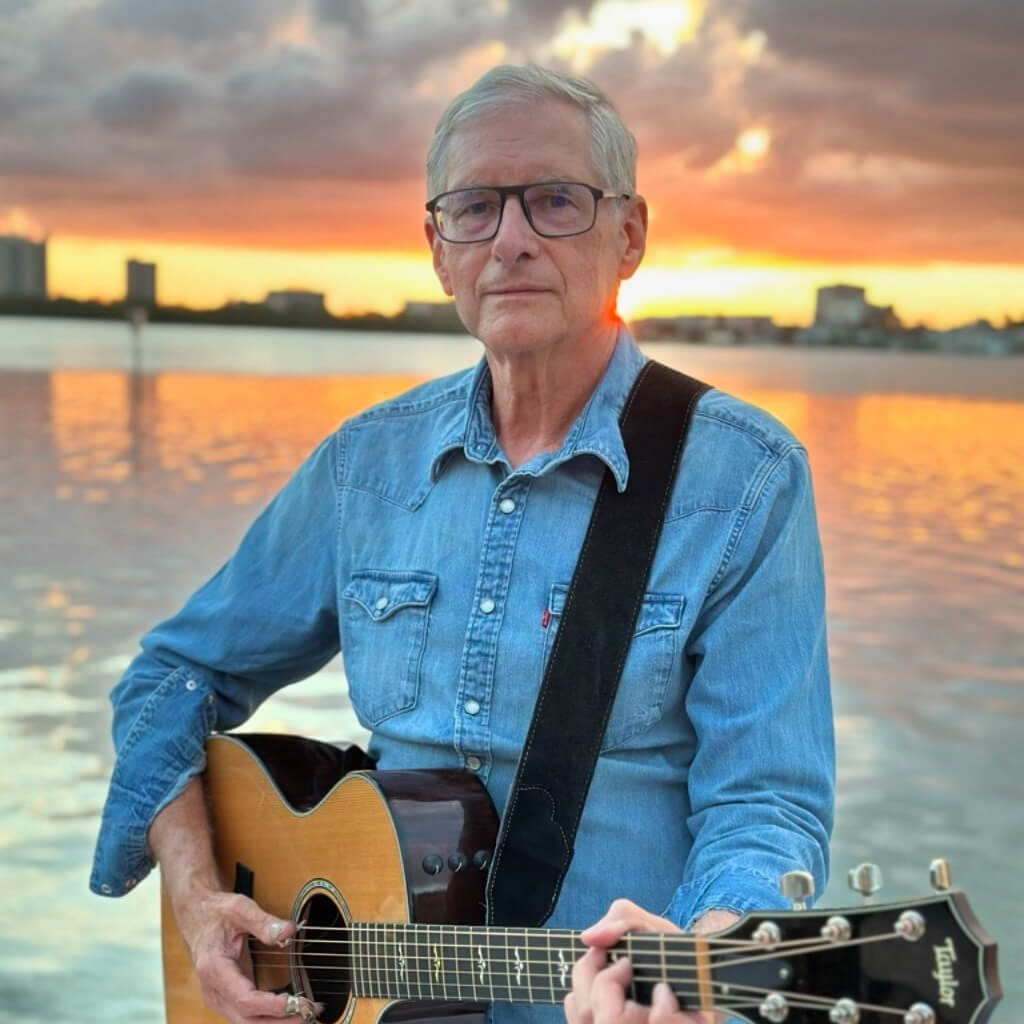
Outside his professional life, Stanard has maintained a lifelong connection to music. A guitarist and songwriter who recently released his third album, he sees parallels between his creative and analytical pursuits.
“In business, you’re trying to communicate a logical point. In songwriting, you’re trying to communicate an emotion,” he says. “But in both cases, every word has to work.”
That clarity of thought — whether in a mathematical model or a song lyric — continues to guide him.
Looking ahead, Stanard hopes his support will help advance catastrophe modeling and prepare the students who will carry the field forward. More than anything, he wants them to embrace the same mindset that shaped his own journey: persistence in the face of complexity.
“You’re going to run into problems that seem impossible,” he says. “The key is not to give up on them.”