
Every weekday morning, long before most of the campus stirred, Professor David Van Horn was already on his way to Lehigh. He left his house at 6 a.m., stopped for breakfast, and arrived at Fritz Engineering Laboratory with doughnuts for everyone.
It was a small ritual, but it said something larger about the man. Wherever Van Horn was, he showed up fully.
In life, he gave his all to civil engineering, Lehigh, and his community.
After his passing, that same spirit inspired his wife, Barbara, to create the David Van Horn Endowed Scholarship, ensuring that his legacy will continue for generations.
A Young Leader With Big Vision
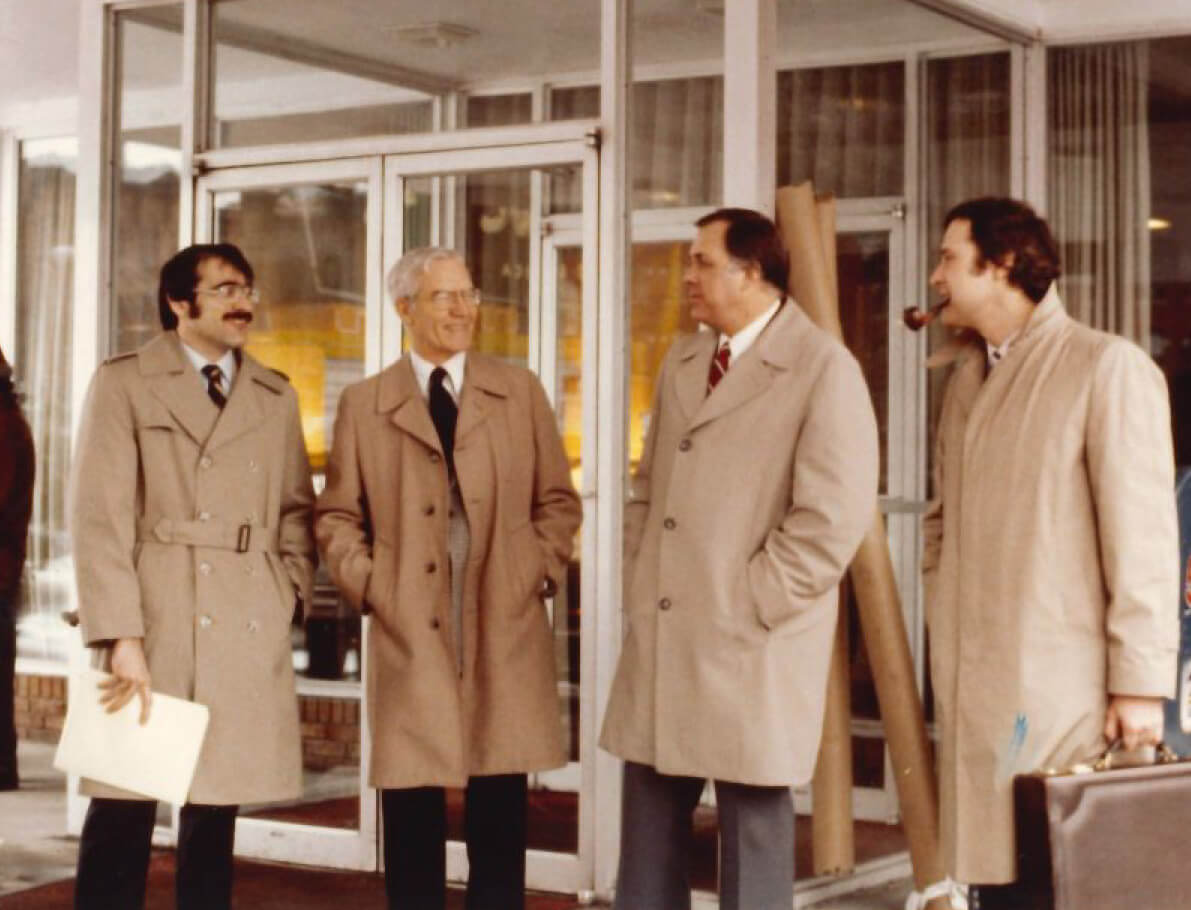
Born in Iowa, Van Horn earned bachelor’s, master’s, and doctoral degrees in civil engineering from Iowa State before working for the Federal Highway Administration. In 1962, he joined the Lehigh faculty. His early brilliance led to a rapid rise: In just four years, he became a full professor. At the age of 37, he served on a search committee to find a new chair for the Civil Engineering Department. Though Van Horn hadn’t applied, he was encouraged to put his name forward.
His intellect and devotion earned the trust placed in him at such a young age, and he was named chair of the department. Over the next 17 years, Van Horn led the department to its highest national ranking. Fritz Engineering Laboratory — designated as an American Society of Civil Engineers (ASCE) Civil Engineering Landmark Structure — housed the largest testing machine in the world during his tenure, a distinction he took great pride in.
In the early 1980s, he took a two-year leave to serve as a visiting scientist with the Pennsylvania Department of Transportation, returning to Lehigh with an even broader perspective to share with his students.
A Teacher First
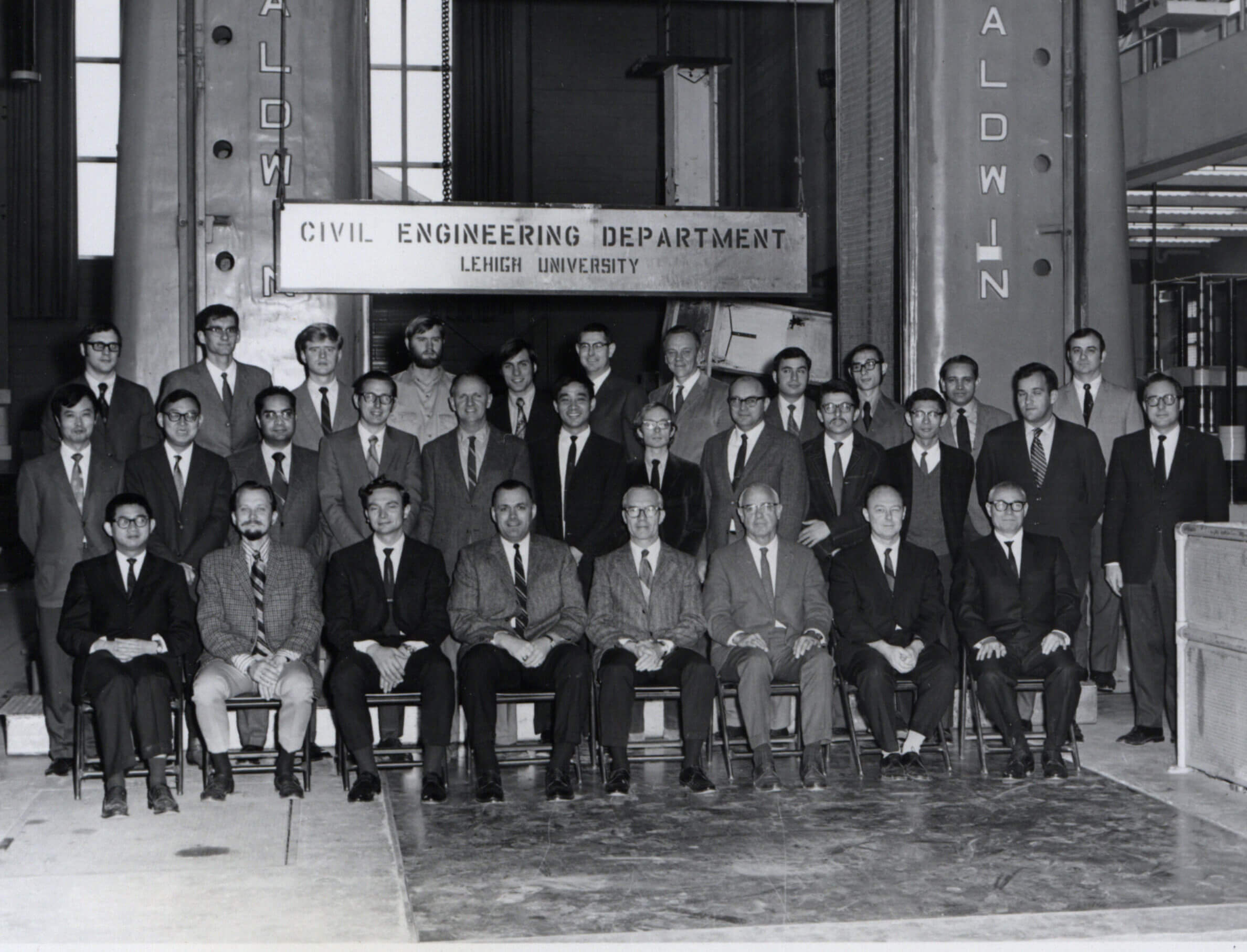
“His door was always open to his students — always,” Barbara shares. “But he was strict about things like attendance. He cared, and he wanted his students to show up so they could succeed.”
After every class, he posted full solutions to that day’s problems outside his office door. He wasn’t just a brilliant engineer; he was deeply invested in his students, and through them, in the future of civil engineering.
Barbara recalls how Van Horn took his students on field trips to see engineering in action. Whether it was showing them how concrete was made or teaching them onsite as he oversaw major bridge work connecting Pennsylvania and New Jersey, he was highly devoted to his students’ success.
“It was scary walking on the bridge while it was under construction — but awesome to see,” she shares of accompanying Van Horn and his students.
Throughout his career, Van Horn advised hundreds of students. He also devoted 23 years to the Accreditation Board for Engineering and Technology, leading accreditation teams, serving in national leadership roles, and ultimately earning Fellow status. Lehigh recognized him in 1990 with the Stabler Award for Excellence in Teaching, one of the university’s most distinguished honors.
Service Beyond the Classroom
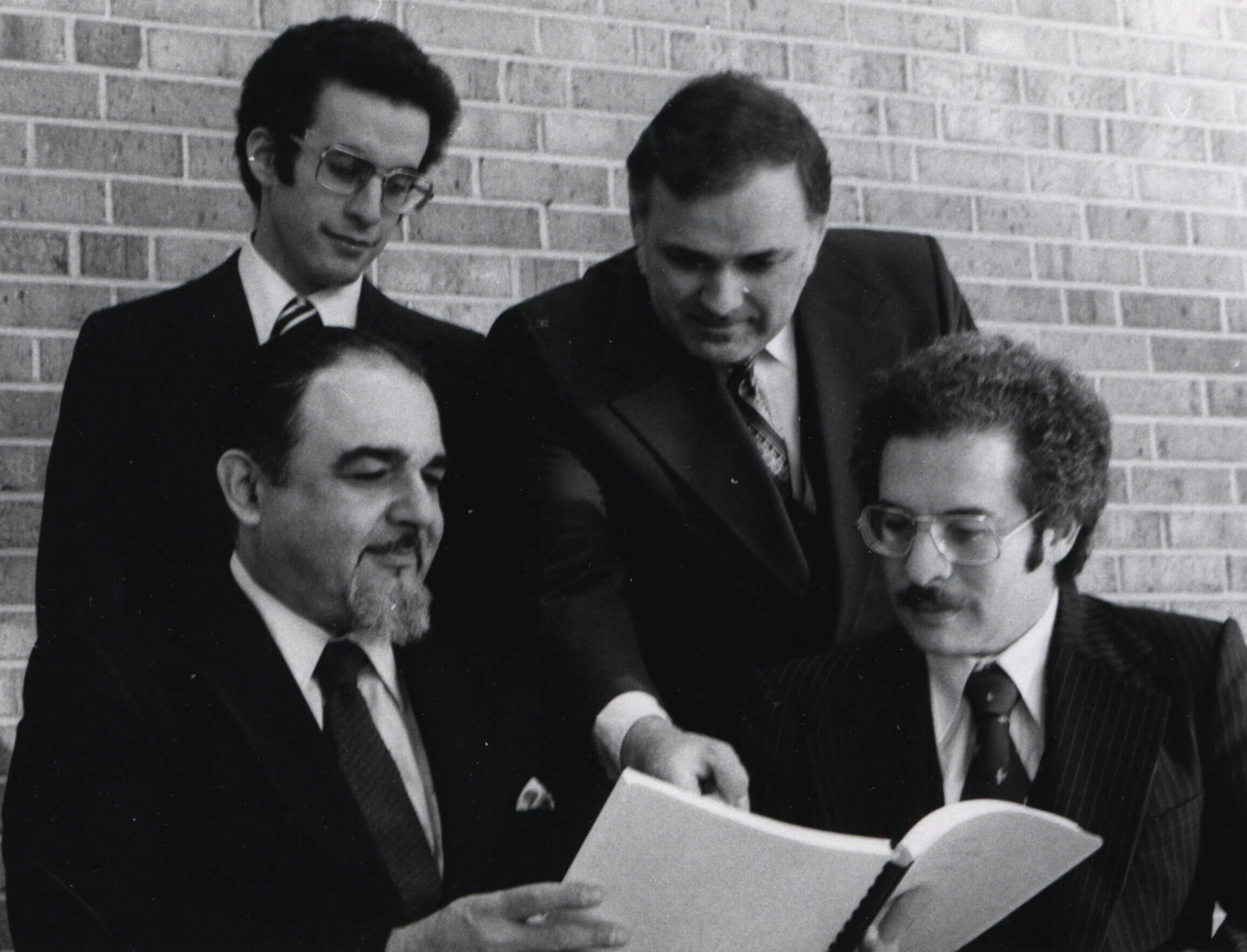
“No matter what it was, he gave it his all,” Barbara says.
In 1986, Van Horn received the Edmund Friedman Professional Recognition Award from the ASCE. He earned the organization’s highest honor in 2001 for his distinguished career in engineering education and professional service. He also served as ASCE vice president. He published numerous research papers on the structural behavior of concrete structures, adding insight to the field he loved.
His love of civil engineering was matched by his devotion to college athletics, particularly wrestling and football. He was a familiar face at Lehigh University home games and served as a faculty representative on athletics committees to ensure a balance between academics and athletics.
In his community, Van Horn served in various civic and charitable positions, including as president of Buchanan Park Housing Corporation, chairman of the Hanover Township Zoning Hearing Board, a member of Rotary Club, and in retirement as a board member of the Ocean Parks Jupiter Condominium Association in Jupiter, Florida.
Whether in engineering, education, athletics, or civic life, Van Horn showed up — and gave fully.
The Man Behind the Titles
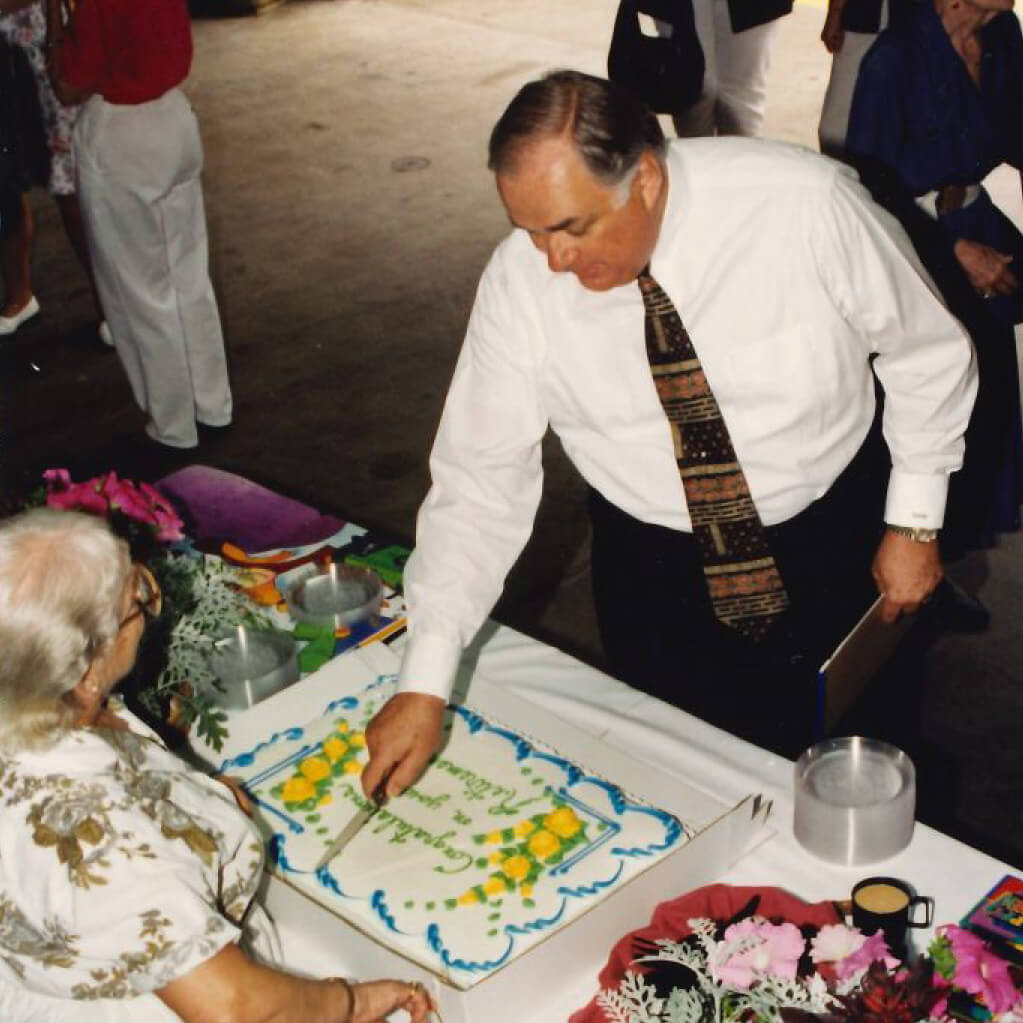
“He was so devoted to Lehigh,” Barbara recalls. “He loved being there.”
She remembers his pride in Fritz Engineering Laboratory, his enthusiasm for wrestling matches, and the joy he took in being part of the university community. He remained equally devoted to his children from his first marriage, Deborah and David, throughout his life.
After Van Horn retired from Lehigh and Barbara from her job as an elementary school teacher, they divided their time between Bethlehem and Florida.
“He was so healthy, and he looked so youthful,” Barbara says. “When he told people his age, he was proud of it, because he didn’t look it.”
So Barbara was shocked when he experienced a series of mini-strokes that affected his short-term memory. While he was in respite care, they spent hours talking about his career, the trips they had taken, and the life they built together, even if he couldn’t remember what he’d had for lunch.
An Enduring Legacy
The scholarship Barbara established in her late husband’s name ensures that future civil engineering students carry forward the same spirit of excellence, integrity, and service that Van Horn modeled. The structures he helped build may stand in steel and concrete, but his greatest legacy endures in the students and the profession he shaped.
“Once the scholarship was set up, I cried in happiness,” Barbara says. “He would be overjoyed.”