
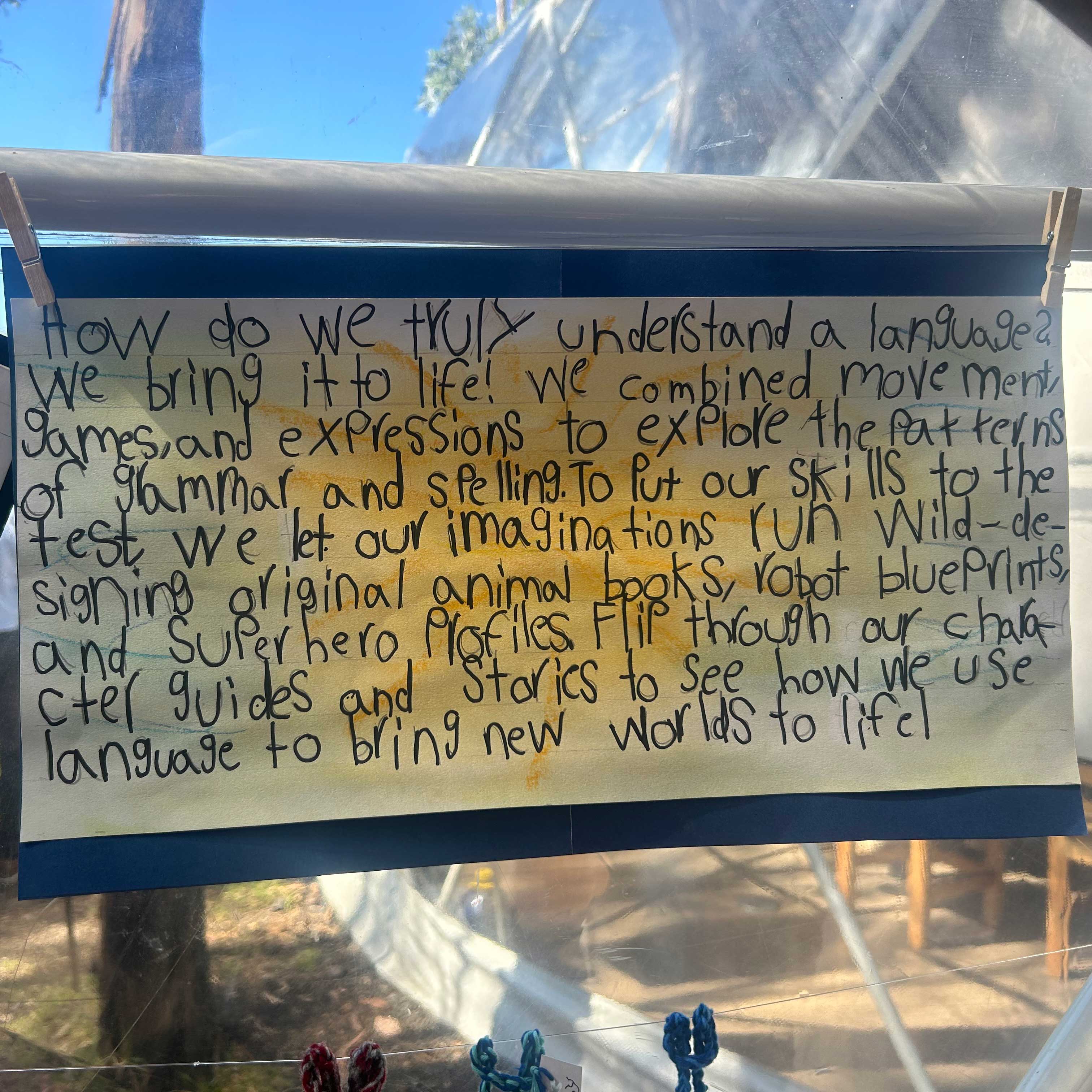
"Mine, yours, ours," is the philosophy of Unidad Educativa Mine School, a small alternative learning community nestled in the Andes Mountains near Quito, Ecuador. Founded by four female educators, the school serves children from pre-kindergarten through 12th grade and reimagines education through a human-centered approach. Instead of traditional classrooms, students learn in geodesic domes and safari tents, where nature becomes a “third teacher” of sorts. Nearly a decade after opening, the school remains at capacity without a website or advertising; its reputation speaks for itself.
This summer, Julia Gallo M.Ed.’27 and Lillian Feldman Ph.D’30 traveled to Ecuador through the Lee Iacocca Institute for Global Leadership’s Iacocca International Internship Program. There, they spent two transformative months learning, teaching, and steeping themselves in the local culture.
A Different Way to Learn
“The Mine School has a very interesting philosophy, which can be summed up in their two key phrases: ser humano (being human) and buen trato (good treatment),” explains Feldman. “From an educational lens, the school borrows from Montessori and Reggio Emilia practices with an emphasis on project-based learning. This experience gave me a fresh perspective on what humanistic education can look like, and I've learned a great deal about teaching practices and child development from incredible educators.”
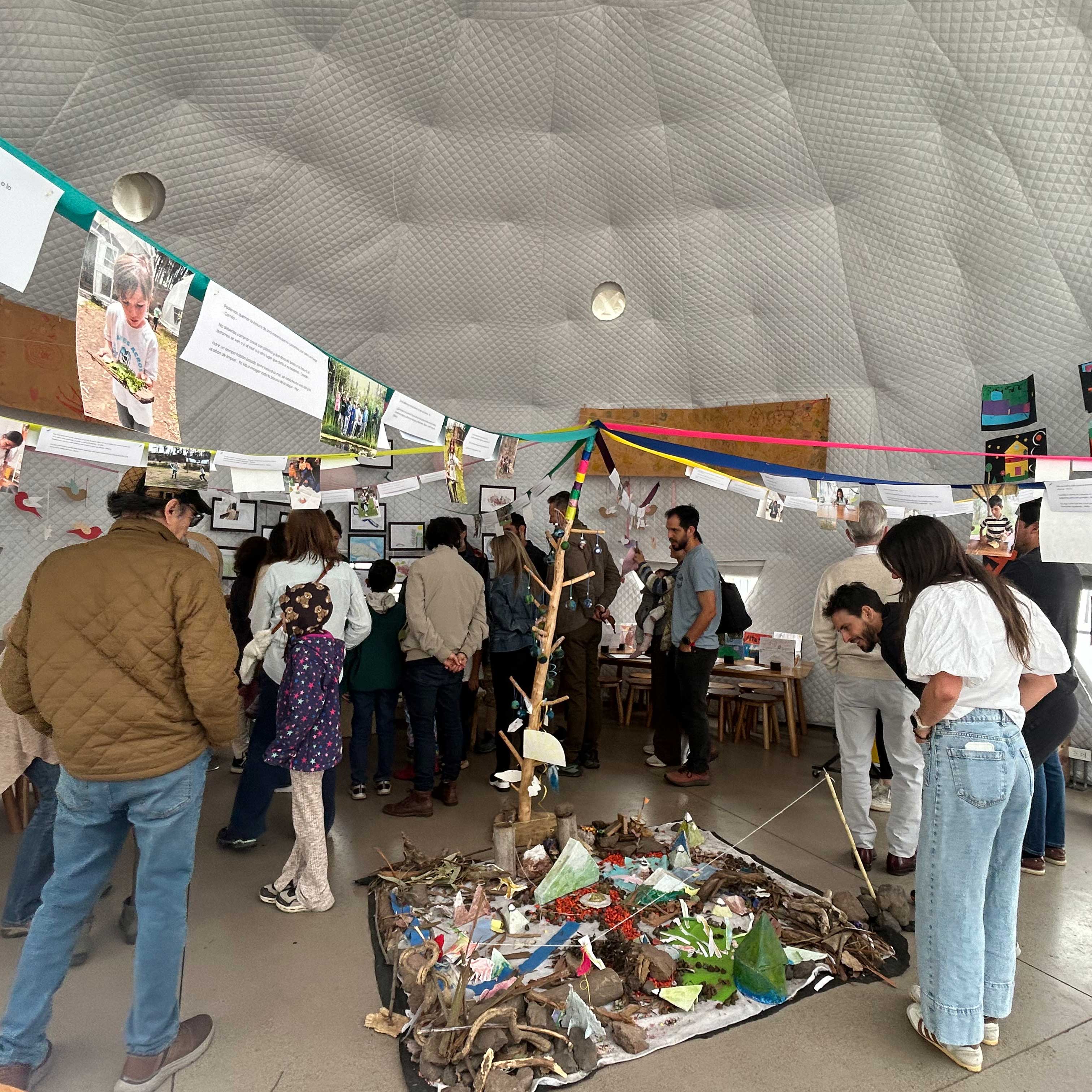
Both students divided their time between observation, teaching, and research. During the first part of their stay, they observed classrooms to better understand the school’s teaching methods and daily rhythms. As the summer progressed, they collaborated with classroom teachers before planning and leading English classes during the school’s summer camp program.
“International working experience is so valuable, and having a global perspective changes how you look at life,” says Ashley Murphy, assistant director at the International Center for Academic and Professional English. “The Mine School gives students more agency than most schools do. Students develop their own projects, choose what they’ll be learning, and take ownership of their education. It’s an entirely unique environment.”
“When I was in Ecuador, there were so many things I didn’t know,” says Gallo. “I was struggling with the language, and I hadn't traveled outside the United States since I was a kid. Everything in Ecuador felt so new, so when I had the opportunity to teach my own class English, it gave me confidence. For the first time, I felt like I had something meaningful to contribute while helping others.”
Beyond the Classroom
Living with host families also became an essential part of their experience. From running errands and attending baby showers to simply sharing everyday life, the experience offered a window into Ecuadorian culture while fostering meaningful relationships that transcended language barriers.
For Gallo, one chance encounter became a reminder of how connected the experience truly was.
“I was at an ATM in the mall, and since everything was in Spanish, I asked a woman nearby if she could help me,” says Gallo. “She ended up speaking fluent English, and afterward we started talking. She had been an English teacher and now worked at a lodge in the Amazon rainforest. She told me she was taking students there the following week and invited me to join them. I had to check with my professor, Maria ‘Kiki’ Cristina Montúfar, before committing. It turned out she and the woman — Carmen — already knew each other, and Carmen had taught Kiki’s children before!”
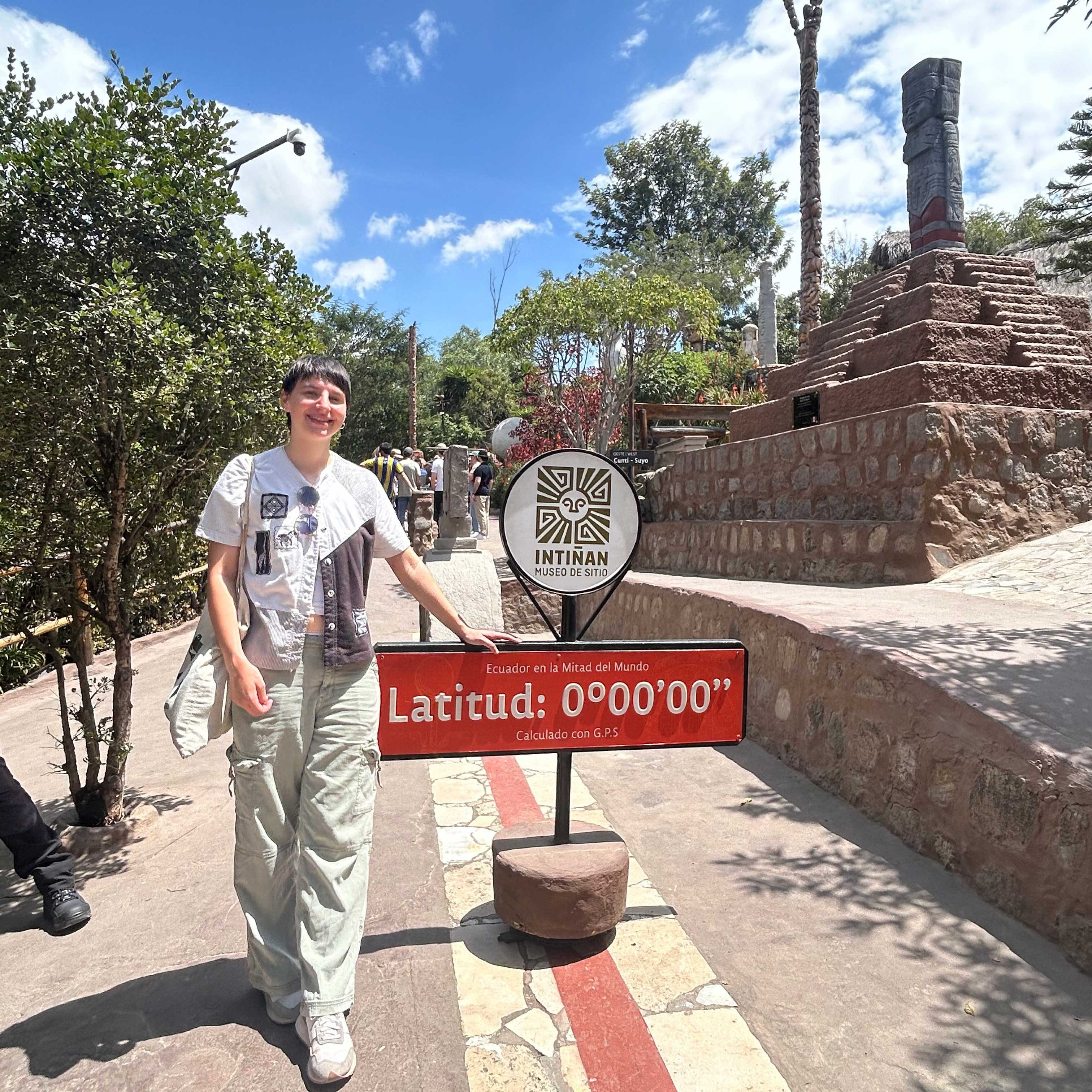
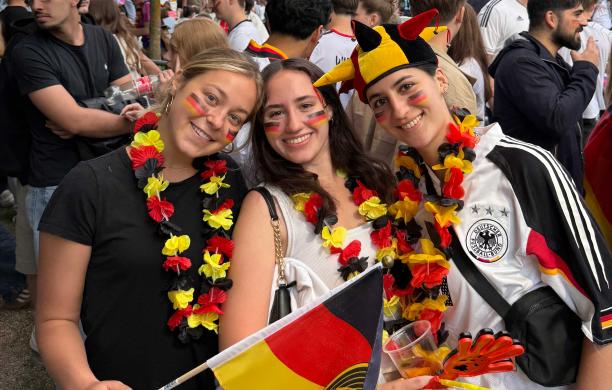
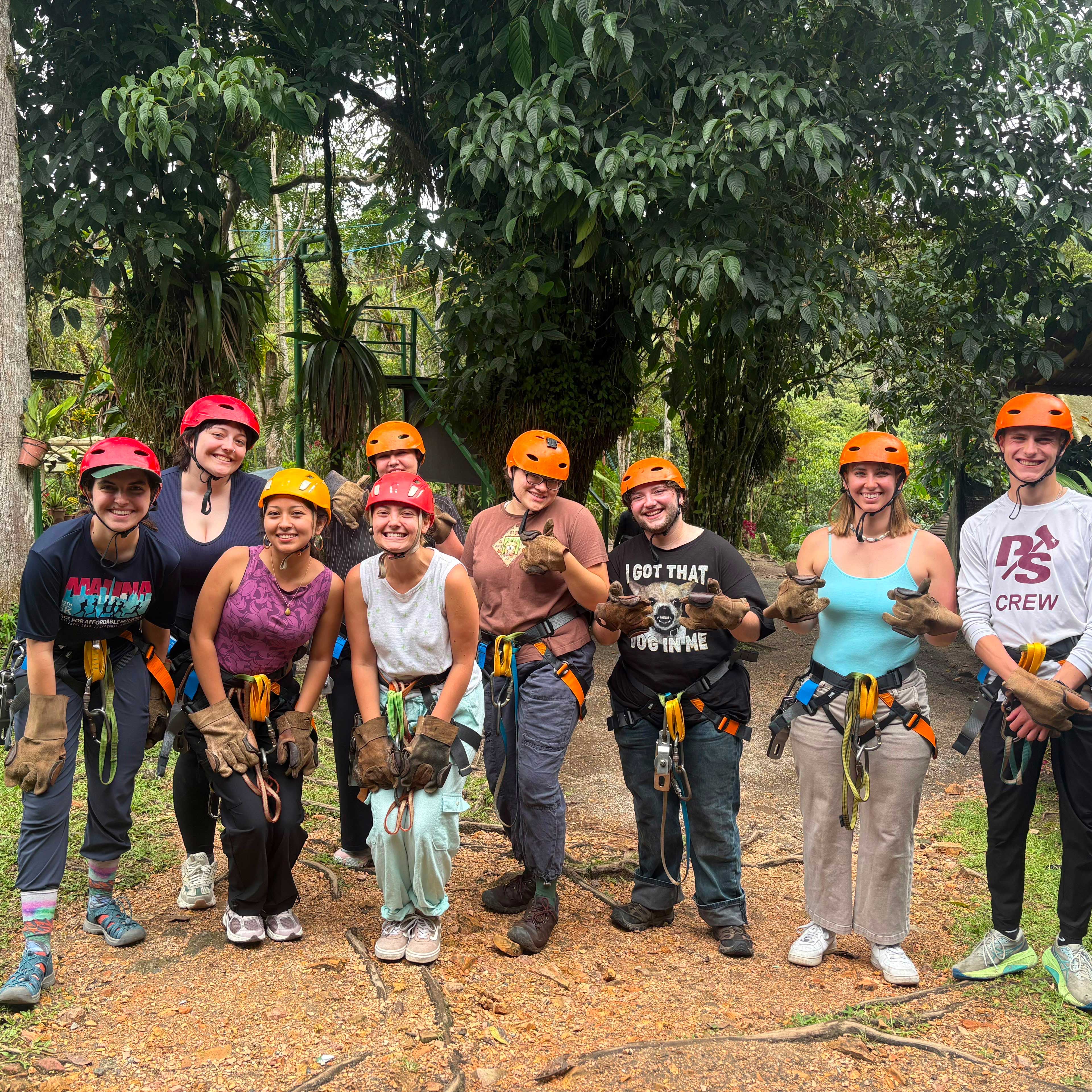
Outside the classroom, the students immersed themselves in Ecuadorian culture. They visited Mitad del Mundo at the equator, explored the seven waterfalls of Zapanal near La Maná, learned about chocolate and coffee production in Mindo, and experienced everything from hiking and horseback riding to Quito’s Pride march, soccer matches, and religious ceremonies in centuries-old churches.
For both students, the summer offered far more than teaching experience. It challenged them, broadened their perspectives, and deepened their understanding of education, culture, and themselves.
“This was one of the best experiences of my life, and it changed me as a person,” says Gallo.